
How sustainable architecture adds long-term value to Cardiff homes with energy-efficient, eco-friendly design
Sustainable architecture brings together thoughtful design, better materials and smarter systems to cut running costs, reduce carbon emissions and improve how people feel living in a home. For Cardiff homeowners, that combination translates into measurable long-term value: lower energy bills, stronger resale prospects and greater resilience to changing regulations. Working with a practice that focuses on sustainable architectural design helps you prioritise the right measures rather than chasing every technology trend.
This guide walks you through the practical choices — from insulation and Passivhaus thinking to solar PV and rainwater harvesting — and explains which upgrades typically deliver the best returns in the Cardiff market. If you’re unsure which measures are worth your time or how Welsh funding and building standards affect a project, this article gives clear comparisons, funding routes and checklists to help you decide. For broader context on design options, our overview of sustainable home design trends in Cardiff shows how eco-focused layouts and materials are already shaping local projects. You’ll find evidence-led reasoning on economic benefits, environmental and health impacts, the local performance of key technologies, how to select qualified architects and builders, and steps to future-proof against evolving Welsh rules. Read on for specific measures, simple payback logic and the documentation buyers look for when valuing eco homes in Cardiff.
What are the economic benefits of sustainable homes in Cardiff?
Sustainable homes can improve both running costs and capital value. The main drivers are lower energy bills, better marketability, access to grants and a reduced risk of costly future compliance work. Improving the building fabric and switching to low-carbon heating cuts operational energy demand, while on-site renewables offset electricity purchases. Buyers increasingly factor running costs into offers, so recognised performance standards such as Passivhaus or BREEAM can shorten time on market and support higher sale prices. If you are planning wider works, our Cardiff renovation budget guide and 2025 full home remodel cost guide explain how sustainable upgrades fit into an overall project budget.
Put simply: targeted sustainable improvements produce direct financial returns and send positive market signals that build long-term homeowner equity. Knowing the likely savings and funding routes helps you prioritise the interventions that give the best combined outcome.
How do sustainable homes reduce energy bills in Cardiff?
They reduce bills by cutting energy demand and supplying low-carbon heat and electricity. A fabric-first approach — robust loft, wall and floor insulation, tightened airtightness and balanced ventilation with heat recovery (MVHR) — can dramatically lower space-heating needs. Replacing fossil heating with heat pumps gives three to four times the heat per unit of electricity versus resistive electric heating. Rooftop solar PV, paired with battery storage and smart controls, reduces daytime imports and peak use, further trimming costs. Simple behavioural measures (setpoint management) and thorough commissioning ensure systems actually run efficiently, which compounds the technical savings.
For a broader view of how these measures slot into real projects, our overview of energy-efficient architectural design explains how we combine envelope upgrades, services and controls to keep long-term running costs down.
Below is a compact comparison of how typical technologies perform in Cardiff-style conditions to help guide priorities and payback thinking.
Different technologies carry distinct cost, saving and maintenance profiles that matter when planning upgrades.
| Technology | Typical Installation Cost (approx.) | Typical Annual Energy Savings (approx.) | Estimated Payback Period (approx.) | Typical Maintenance |
|---|---|---|---|---|
| Solar PV (rooftop) | Moderate | Low–moderate electricity offset | Medium | Low (occasional checks) |
| Air Source Heat Pump (ASHP) | Moderate–high | Significant heating savings | Medium–long | Annual service |
| Ground Source Heat Pump (GSHP) | High | High heating savings | Long | Moderate (ground loop checks) |
| Insulation upgrades (loft/wall/floor) | Low–moderate | High reduction in heating demand | Short–medium | Low |
This comparison shows that fabric measures and rooftop solar often pay back faster, while ground-source systems can deliver deeper long-term savings but need bigger upfront budgets. Next, we look at how those lower running costs translate into higher property values in Cardiff.
How does sustainable architecture increase property value in Cardiff?
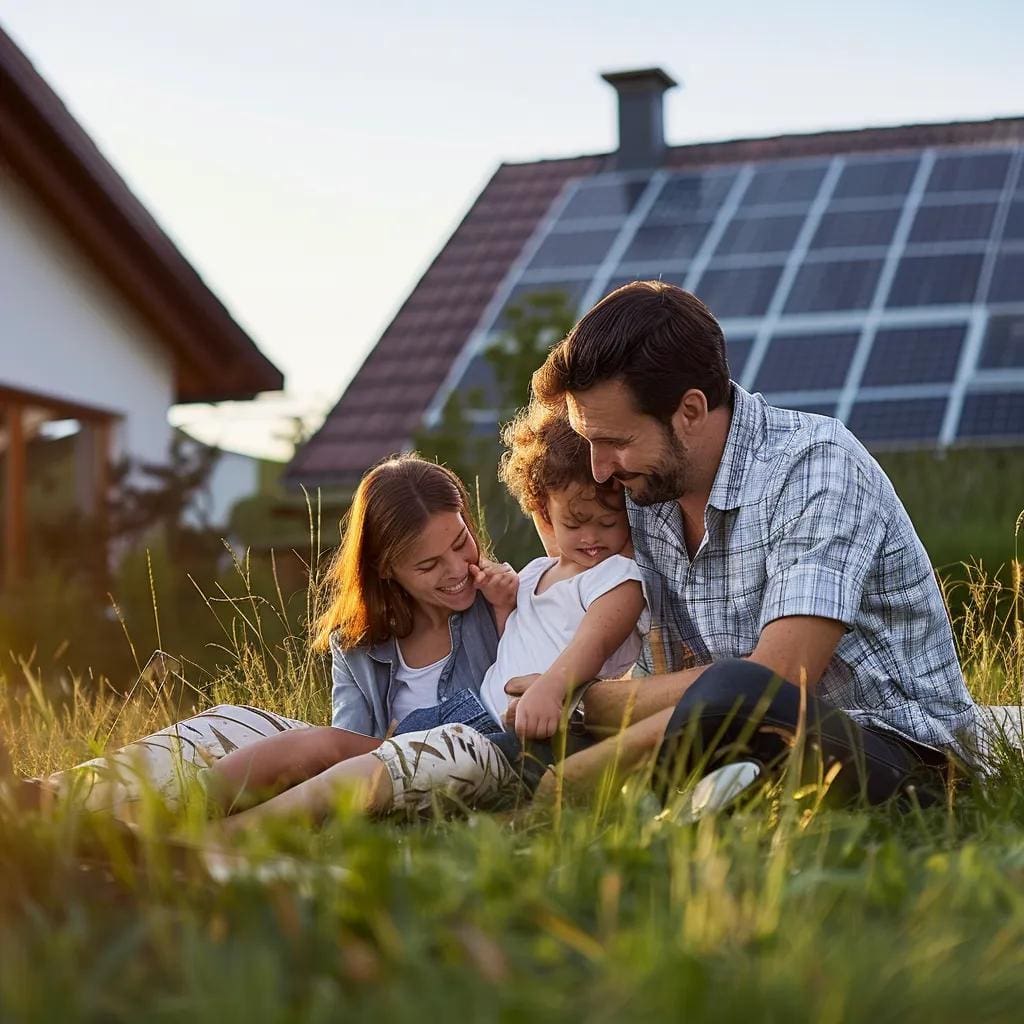
Energy performance affects valuation because buyers consider future running costs and compliance risks when making offers. Properties with better EPC ratings or independent standards such as Passivhaus or high BREEAM scores attract stronger interest and can command price premiums. Certifications and clear documentation — measured energy use, EPCs, commissioning records and maintenance logs — convert technical upgrades into evidence that buyers understand, which reduces perceived risk and strengthens negotiating positions.
In Cardiff, where energy costs and regulatory expectations are rising, well-documented low-energy homes stand out to both private buyers and institutional investors looking for resilient assets. For a wider look at how upgrades influence value, our guide to home renovations that boost Cardiff property value shows how extensions, retrofits and sustainable features combine to improve returns.
Experience from similar markets shows that verified energy improvements can shorten time on market and bring offers closer to asking price, especially when savings are shown in bills or monitored data. Presenting this performance evidence turns technical work into a tangible buyer benefit.
Which Welsh Government grants support sustainable home improvements?
Welsh funding programmes and retrofit initiatives can substantially lower the homeowner’s share of costs by subsidising specific measures or offering assisted retrofit packages. Key schemes target insulation, low-carbon heating and support for lower-income households. Eligibility usually depends on property type, household income and the measures proposed. Applications typically start with an assessment and require supporting documents and compliance with approved installer or measure standards — having an EPC and project specification ready speeds the process.
Grants often make staged retrofits viable by reducing upfront costs or letting you tackle high-impact measures first. When planning a deeper pathway, it’s worth aligning proposed works with the principles used in the Welsh Optimised Retrofit Programme and with Cardiff’s broader climate ambitions set out in Cardiff’s path to a low-carbon future.
The Welsh Government runs programmes to help homeowners improve their homes’ energy performance, with particular support for lower-income households.
Welsh Government energy efficiency programmes for low-income households
Living in cold or damp housing raises risks of ill health and excess winter deaths. To tackle fuel poverty and its health impacts in Wales, the Welsh Government introduced schemes to improve home energy efficiency. These included the Home Energy Efficiency Scheme (HEES) and its successor, the Warm Homes NEST scheme, providing support between 2000 and 2015 for vulnerable and low-income households. Interventions often covered insulation and heating upgrades, such as installing more efficient boilers.
Evaluating the impacts on health outcomes of Welsh Government funded schemes designed to improve the energy efficiency of the homes of low income …, 2017
If you’d like help checking eligibility or preparing a grant application, contact us to discuss which funding routes fit your property and project. Access to targeted funding can turn a marginal upgrade into a clearly viable investment by lowering capital exposure and improving payback timelines. Knowing the administrative steps and required documents is essential to unlocking these funds.
How does sustainable architecture improve environmental impact and health in Cardiff homes?
Sustainable design reduces environmental impact mainly by cutting operational carbon through lower energy demand and low-carbon heating, and it improves occupant health by delivering better indoor air quality and stable temperatures. A fabric-first strategy reduces the energy needed for heating and cooling, while on-site renewables displace grid electricity and its associated CO2. Health gains come from controlled ventilation, low-toxicity materials and consistent indoor temperatures that reduce damp, mould and pollutant exposure — supporting respiratory and mental wellbeing. The next sections quantify likely carbon savings from combined measures and outline the real health improvements residents typically report.
These environmental benefits align with the wider changes described in Cardiff’s low-carbon transition plans, where better homes and buildings are central to meeting citywide targets.
Measures that lower emissions and improve air quality also make homes more resilient to future environmental and regulatory pressures, adding ecological as well as financial value over time.
How do eco homes reduce carbon footprint in Cardiff?
Eco homes cut carbon through a mix of demand reduction (insulation and airtightness), switching heating to heat pumps and adding solar PV to displace grid electricity. When fabric upgrades reduce heat demand, the carbon saved per pound invested is often higher than from generation alone — particularly as the grid continues to decarbonise. Combined measures can significantly reduce household CO2 emissions compared with typical UK housing and help meet national and Welsh targets. Post-work monitoring and verification of energy use provide proof of carbon reductions and guide any necessary adjustments.
For homeowners who want to understand where their property sits today, and how it could evolve, our article on sustainable design trends for Cardiff homes explores how eco-homes are being configured across the city.
Adding renewable energy like photovoltaic panels is a common strategy to improve an eco-home’s energy performance.
Optimising eco-home energy performance with BIM and photovoltaic panels
As sustainability becomes central to building design, it’s important to understand and optimise the energy performance (EP) of both new and existing buildings. This case study examined the benefits of integrating Building Information Modelling (BIM) into EP analysis for an eco-home. The research identified the highest energy-consuming equipment and compared BIM simulations with measured energy use. Recommendations included occupancy sensors for lighting, greywater reclamation to reduce water demand and adding photovoltaic panels to increase on-site renewable generation. Results showed only minor differences between simulated and actual consumption, and highlighted practical measures to improve EP.
Optimising energy performance of an eco-home using building information modelling (BIM), C Changsaar, 2022
These technical savings align with policy goals and make properties less carbon-intensive to operate — a factor that increasingly shapes buyer preferences and planning expectations.
What are the health benefits of living in energy-efficient homes?
Homes upgraded for energy efficiency with proper ventilation and moisture control improve indoor air quality, reduce damp and mould risk, and provide steady thermal comfort — all of which boost physical and mental health. Mechanical ventilation with heat recovery (MVHR) delivers filtered fresh air while recovering warmth, cutting indoor pollutant and allergen levels. Consistent indoor temperatures reduce cold-related illness risk for vulnerable occupants, and lower humidity helps prevent mould that contributes to respiratory problems. After deep upgrades that combine fabric improvements and balanced ventilation, residents commonly report fewer cold spots, less condensation and better sleep and comfort.
Indoor environmental quality is often undervalued in financial assessments, yet it contributes meaningfully to long-term wellbeing and can reduce health-related costs for households.
What key sustainable technologies are used in Cardiff’s eco architecture?
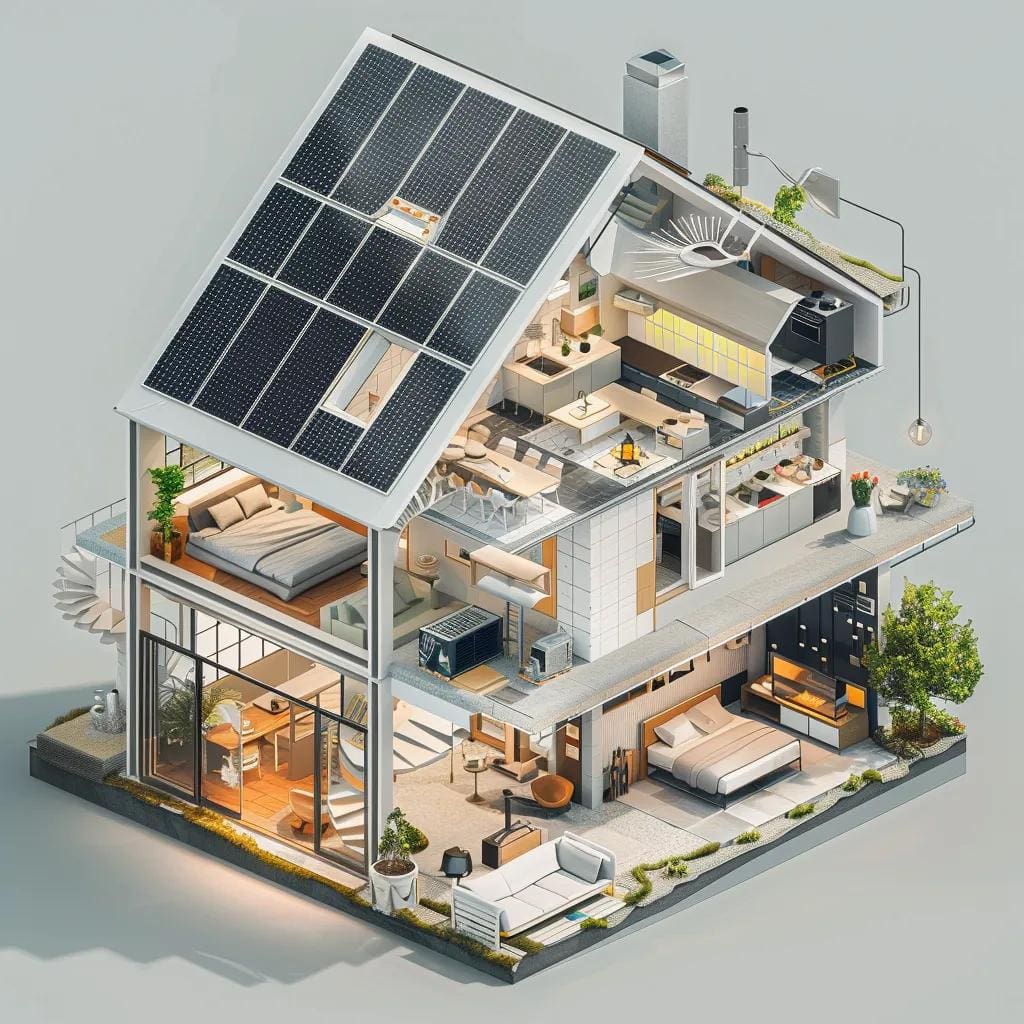
Cardiff projects typically combine solar PV and battery storage, air- and ground-source heat pumps, high-performance insulation and airtightness, MVHR, and water-management solutions like rainwater harvesting and green roofs. Each technology addresses a different part of building performance — generation, efficient heating, fabric retention and resource management. The right mix depends on whether you’re retrofitting or building new, roof orientation, available space and your priorities. Our dedicated page on renewable and low-impact materials explains how product choices can support these technologies and lower embodied carbon as well as operational demand.
Where possible, combining measures — for example PV with a heat pump and battery — creates synergies that raise self-consumption, reduce peaks and often improve overall return on investment.
How do solar PV and heat pumps enhance energy efficiency?
Solar PV generates on-site electricity that can run appliances and, importantly, heat pumps. Heat pumps use electricity far more efficiently than direct electric heating, delivering multiple units of heat per unit of electricity consumed. Air- and ground-source heat pumps extract ambient heat and achieve high seasonal performance; when paired with PV and batteries, they cut grid imports and heating bills. Smart controls let you prioritise PV output for heating or battery charging, improving self-consumption and lowering operating costs. Suitability in Cardiff depends on roof orientation, shading and space for outdoor units or ground loops, but many urban properties can accommodate ASHPs and rooftop PV installations.
If you are exploring a wider upgrade that combines these systems with envelope improvements, our summary of energy-efficient home design sets out how we integrate heat pumps, PV and controls into cohesive architectural proposals.
This combined approach generally offers more dependable long-term value than relying on a single technology, especially after fabric measures reduce overall heating demand.
Why are advanced insulation and Passivhaus standards important?
Advanced insulation and Passivhaus principles aim to minimise heat loss through a highly insulated, airtight envelope with controlled ventilation, producing very low heating demand and steady comfort. Fabric-first measures — loft, wall and floor insulation plus airtightness improvements — reduce the required size and cost of heating systems and increase resilience to weather fluctuations. Passivhaus certification provides independent verification of measured performance, showing low heating demand and high occupant comfort; for new builds and deep retrofits, it’s a rigorous way to future-proof a home. Certification does add process cost, but the predictable performance and operational savings can justify that investment where long-term comfort and resilience matter.
The Passivhaus standard is widely recognised as a leading benchmark for energy-efficient building design and verified performance.
The Passivhaus standard in the UK: performance and climate policy
Energy use and greenhouse gas emissions from the UK’s built environment mirror a wider European picture: buildings account for a large share of overall energy consumption. The Passivhaus standard is among the fastest-growing energy-performance standards globally and has been adopted as minimum requirements in some regions. This research examines applying Passivhaus in the UK by considering climate data, overheating risk, whole-life design optimisation and hygrothermal performance — highlighting where current assessment methods can be improved for both new build and retrofit projects.
An investigation into the performance of low energy and zero carbon buildings in a changing climate: Applying the Passivhaus standard to the UK context, RS McLeod, 2013
In most cases, prioritising fabric measures before mechanical systems delivers the best value and simplifies the integration of low-carbon heating.
How do water management systems and green roofs contribute to sustainability?
Rainwater harvesting, greywater reuse and low-flow fittings reduce mains water use and help manage surface runoff, while green roofs add insulation, support biodiversity and attenuate stormwater. In Cardiff, where urban drainage and biodiversity are local priorities, green roofs and rainwater storage can ease pressure on drainage networks and support planning objectives. Maintenance needs typically include periodic checks of membranes, tanks and filters, but correctly specified systems are generally low-maintenance. For retrofits, modular green roofs and compact rainwater harvesters are practical, deliver ecological benefits and improve resilience to heavy rainfall.
These measures can lower bills, enhance property resilience to extreme weather and boost local biodiversity and amenity value.
How can homeowners choose the right sustainable architect and builder in Cardiff?
Choose teams that can demonstrably deliver performance, not just sustainability claims. Verify relevant certifications, local experience and documented post-occupancy performance. Look for practitioners who know Welsh standards and funding routes, and ask for case studies that include energy performance, EPC improvements and maintenance records. Our guide to top architecture firms in Cardiff and what to look for sets out practical comparison points, while our complete guide to choosing an architect explains how to assess scope, fees and communication styles.
Request technical drawings and commissioning reports, check references and, where possible, visit completed projects. The checklist below highlights the essential vetting steps that separate competent practitioners from superficial marketing.
- Verify certifications: Confirm credentials such as Passivhaus Designer, RIBA membership or Green Register listings.
- Request performance data: Ask for monitored energy use or EPC improvements from completed projects.
- Check local experience: Prioritise teams with Cardiff/Wales projects and knowledge of local planning and funding routes.
- Clarify deliverables: Ensure contracts include commissioning, warranties and post-occupancy checks.
A disciplined selection process protects project value and helps ensure design promises become measurable performance that buyers will recognise.
What certifications and experience should sustainable architects have?
Look for Passivhaus Designer/Consultant credentials, professional memberships such as RIBA and listings on recognised green registries that indicate a focus on low-energy work. Strong experience indicators are completed projects with measured outcomes, examples of resolving local planning constraints and familiarity with Welsh funding programmes and building regulations. In interviews, ask for specific examples of insulation detailing, airtightness strategies, MVHR specification and heat-pump integration, and request post-occupancy evaluations where available. Checking references and inspecting finished work in person provides direct evidence of workmanship and performance.
For Cardiff projects in particular, working with a Cardiff-based architecture firm that understands local housing types, planning policy and sustainability expectations can simplify both design and approvals.
These verification steps help ensure technical competence and local knowledge align with your performance and regulatory goals.
Which local sustainable housing projects demonstrate best practice?
Local exemplar projects in Wales show how coordinated design, tight detailing and verified performance deliver both energy savings and occupant comfort. Look for case studies that combine fabric upgrades, heat pump integration and monitored energy use — these consistently show the largest operational savings and the clearest evidence of long-term value. Key lessons include prioritising measurable outcomes, engaging experienced builders early and ensuring robust project management and commissioning. Detailed records — EPC improvements, before/after energy bills and occupant feedback — are the most persuasive evidence of what works in the Cardiff context.
Our general overview of residential architectural services sets out how we approach Cardiff homes, from first feasibility through to handover and performance-led detailing.
Reviewing local case studies helps homeowners turn abstract benefits into concrete expectations for their own properties.
How can sustainable architecture future-proof Cardiff homes against changing regulations?
Future-proofing means upgrading today to exceed minimum standards, avoid costly retrofits later and stay aligned with Welsh building regulations that increasingly emphasise carbon, energy efficiency and water management. Choosing measures that lower operational energy and documenting performance reduces the risk of future mandated upgrades and protects asset value. The EAV table below links current regulations and grant programmes to clear homeowner actions, showing when to retrofit, which documents are needed and practical next steps for compliance and resilience.
| Regulation/Grant | Purpose | What homeowners should do |
|---|---|---|
| Welsh building energy standards | Reduce operational carbon in new builds and major works | Design to exceed minimum U-values and document thermal modelling |
| Optimised Retrofit Programme (ORP) | Support for deep retrofit pathways | Undertake whole-house assessments and staged retrofit plans |
| Green Homes Wales / Warm Home Grant | Targeted support for insulation and heating | Prepare EPCs, check eligibility and assemble installer quotes |
Proactive upgrades provide regulatory insurance and a stronger market position: buyers and lenders increasingly prefer homes already aligned with upcoming standards.
What are the latest Welsh building regulations for sustainable homes?
Recent Welsh rules place growing emphasis on whole-life carbon and energy performance, tightening requirements for insulation, ventilation and low-carbon heating in new builds and major renovations. Expect stricter U-value expectations, a greater focus on fabric performance and requirements for commissioning and post-installation verification. Providing detailed thermal models, airtightness strategies and commissioning plans during planning and procurement will smooth approvals and reduce rework. Where cost-effective, exceeding minimum standards today lowers future retrofit risk and improves comfort and market appeal.
Our page on sustainability-focused architectural services outlines how we incorporate these evolving standards into design from the outset, so projects age well as regulations tighten.
Knowing the regulatory direction helps homeowners choose measures that meet current rules and anticipate future changes.
How does future-proofing increase long-term investment value?
Future-proofing reduces the likelihood of regulatory obsolescence, avoids expensive emergency retrofits and keeps running costs lower than conventional stock — all of which make a home more attractive to buyers and investors over a 10–20 year horizon. Investing in durable fabric upgrades and flexible low-carbon systems avoids repeated upgrade cycles and captures benefits from lower bills, improved comfort and stronger resale positioning. Scenario comparisons show that homes upgraded to low-energy standards generally retain higher relative value as policy tightens and operating costs rise, while standard homes face increasing retrofit burdens. Framing upgrades as risk mitigation reframes them as strategic asset protection rather than discretionary spending.
This approach helps homeowners see upgrades as long-term investments that protect and enhance value.
What common misconceptions exist about the cost and value of eco homes in Cardiff?
Many homeowners assume sustainable homes always cost significantly more or are harder to sell, but targeted upgrades and staged retrofit strategies often deliver quick paybacks and improve marketability. In practice, high-impact, low-cost measures — loft insulation, draught-proofing and better controls — typically offer the fastest returns, while deep interventions like whole-house Passivhaus retrofits require larger budgets and longer payback periods. The myth-versus-reality list below tackles common concerns and clarifies when different approaches are appropriate. With this context, homeowners can make evidence-based choices that balance upfront cost, operational savings and long-term value.
For inspiration and wider context, our article on eco-friendly home design trends showcases practical, scalable ideas rather than “grand design” one-offs.
- Myth: Eco homes always cost much more: Reality — targeted measures can be affordable and pay back quickly.
- Myth: Sustainable homes are hard to sell: Reality — verified low running costs attract quality buyers and can command premiums.
- Myth: Retrofits are too disruptive: Reality — staged retrofit programmes minimise disruption and spread cost while delivering early benefits.
With careful planning, staged investment and proper documentation, homeowners can access the benefits without taking undue risk.
Are sustainable homes more expensive to build or retrofit?
It depends on scope. New builds that integrate sustainable design early can be cost-effective because fabric and systems are coordinated from the start. Retrofit costs vary by property and the depth of intervention: low-cost, high-impact measures (insulation, air-sealing, efficient lighting and controls) deliver fast returns, while full mechanical replacements or groundworks for GSHPs increase capital needs. Cost drivers include access constraints, scaffolding and the need to repair existing defects; conversely, economies of scale and grant support can reduce net costs. A staged retrofit lets homeowners prioritise the measures with the best cost-benefit profile first.
If you’re weighing up retrofit versus remodel, our guides to home renovations and new builds and Cardiff residential services for homeowners explain how sustainable interventions fit into each route.
Understanding whether value comes from demand reduction or generation helps guide cost-effective decisions for both new builds and retrofits.
How do long-term savings offset upfront investment?
Long-term savings offset upfront costs through lower energy bills, reduced maintenance and avoided future compliance work. Simple payback calculations often show clear benefits for insulation and heating upgrades. For example, combining loft and cavity insulation with an efficient heat pump and smart controls usually shortens net payback versus a piecemeal approach because it captures demand reduction and efficient supply together. Beyond pure payback, non-monetary benefits — improved comfort, health outcomes and resilience to price volatility — add value that buyers recognise. Looking at total cost of ownership over 10–20 years gives a fuller picture than the initial capital cost alone.
Viewing upgrades as lifetime investments rather than isolated expenses helps homeowners prioritise actions that deliver sustained value and comfort.
If you’re ready to plan sustainable upgrades or want a personalised assessment of which measures best increase your home’s value and resilience, contact us for a consultation and next steps.
Frequently Asked Questions
What are the key features of sustainable architecture in Cardiff?
Sustainable architecture in Cardiff emphasises energy efficiency, low-impact materials and practical design choices. Typical features include high-performance insulation, on-site renewables like solar panels, and water management (for example rainwater harvesting). These elements work together to cut energy use, lower carbon emissions and improve comfort and indoor air quality — making homes healthier and more valuable over time. Our page on energy-efficient design services outlines how we bring these features together in practice.
How can homeowners assess the energy efficiency of their homes?
Start with an Energy Performance Certificate (EPC) to get a standard rating of energy use and carbon emissions. An energy audit or professional assessment will identify where heat is lost, how well ventilation performs and which upgrades will offer the best returns. Watch for signs of energy loss such as drafts or high bills, and use professional advice to prioritise cost-effective improvements. For a structured pathway, many homeowners combine this with early feasibility advice from architect-led feasibility studies.
What role do local regulations play in sustainable home improvements?
Local regulations set minimum standards for energy efficiency, carbon emissions and water management that affect renovations and new builds. Complying with these rules during planning and procurement prevents costly rework and ensures your investment aligns with local sustainability aims. Our articles on planning permission in Cardiff for homeowners and simplifying the Cardiff planning application process explain how sustainability considerations often appear in design statements and conditions.
Staying informed about regulatory changes helps you make proactive upgrades that protect value and reduce future retrofit risk.
What are the most common misconceptions about eco homes?
Common myths include that eco homes are always more expensive to build or retrofit and that they are harder to sell. In truth, many sustainable upgrades (insulation, efficient heating systems, controls) can be cost-effective with quick paybacks. Verified low running costs are attractive to buyers and can command higher resale prices. Understanding these misconceptions helps homeowners make better investment choices.
How can homeowners find qualified sustainable architects and builders?
Look for local professionals with proven low-energy experience and relevant certifications (Passivhaus Designer, RIBA, Green Register). Ask for case studies and performance data, check references and visit completed projects where possible. Our guides to Cardiff’s architecture firms and choosing architects in South Wales include practical questions you can use in interviews.
Working with teams that understand Welsh regulations and funding options reduces risk and improves the chance of delivering measurable performance.
What funding options are available for sustainable home upgrades in Cardiff?
Homeowners in Cardiff may access Welsh Government grants and local retrofit programmes that support insulation, low-carbon heating and other efficiency measures — often prioritising low-income households. Eligibility depends on property type and household circumstances; having an EPC and project quotes ready speeds applications. For larger, staged programmes, it’s often worth aligning works with the principles outlined in Cardiff’s low-carbon strategy to take advantage of emerging schemes.
Understanding available funding can significantly reduce upfront cost and make a staged retrofit affordable.
Conclusion
Sustainable architecture in Cardiff delivers more than lower bills — it strengthens property value, improves indoor comfort and supports better health. By prioritising energy-efficient upgrades, documenting performance and making use of available funding, homeowners can make informed choices that pay off over the long term. If you want tailored advice on which measures will best boost your home’s value and resilience, explore our sustainable architecture services or get in touch with Jamatek Design Studio for a personalised consultation.