Cardiff’s Top Sustainable Home Design Trends for 2025: Your Guide to an Eco-Conscious Home
Cardiff homeowners are increasingly choosing sustainable home designs to cut energy costs, boost property value, and create healthier living spaces. With Wales pushing towards carbon-neutral goals, eco-friendly building materials, efficient energy systems, and biophilic interiors are at the forefront of Cardiff’s green building movement. This guide explains why sustainable design is crucial in Cardiff, highlights the key trends for 2025—from solar power and heat pumps to hemp insulation and smart thermostats—introduces leading architects and builders, offers tips for green renovations and interior styling, and outlines how to take the next steps towards your low-carbon Cardiff home.
If you’re just starting to explore these ideas, our in-depth article on how sustainable architecture benefits Cardiff homes provides a wider overview of the long-term value, comfort and regulatory benefits of eco-conscious design.
Why Embrace Sustainable Home Design in Cardiff?
Sustainablehome design in Cardiff significantly cuts energy use by incorporating passive heating, high-performance insulation, and renewable energy sources. This approach not only lowers household bills but also reduces your carbon footprint. By prioritising energy-efficient systems and eco-friendly materials, homeowners see tangible long-term savings and contribute to Cardiff’s ambitious carbon-neutral targets.
The key advantages include:
- Substantial annual savings on energy bills thanks to optimised insulation and solar power generation.
- Increased property appeal, driven by higher Energy Performance Certificate (EPC) ratings and growing buyer interest.
- Improved indoor air quality and thermal comfort, enhancing overall wellbeing.
These benefits highlight why Cardiff is moving towards resilient, future-proof housing and set the stage for the exciting design trends we’ll see in 2025. For a broader look at how eco-focused design supports the city’s ambitions, see our feature on Cardiff’s path to a low-carbon future.
How Can Sustainable Design Lower Your Energy Bills and Carbon Footprint?
Sustainable design slashes energy bills by sealing thermal gaps, installing high-efficiency windows, and using solar PV and heat pump technology to generate your own power. A well-insulated roof, walls, and floor can reduce heating needs by up to 60%, while solar panels can cover a large portion of your daytime electricity usage.
- Install air-source heat pumps that efficiently convert outdoor air into heat for your home, using minimal electricity.
- Fit triple-glazed windows and airtight membranes to prevent heat from escaping.
- Integrate solar PV panels with battery storage to maximise the use of your own generated electricity.
These combined measures significantly reduce both your household energy expenses and your overall carbon emissions, leading to healthier and more sustainable homes in Cardiff. Our dedicated page on energy-efficient architectural design explains how we combine insulation, glazing and low-carbon systems into a coherent strategy for Cardiff properties.
What Effect Does Sustainable Design Have on Property Value and EPC Ratings in Cardiff?
Eco-friendly upgrades boost property values by demonstrating superior energy performance and future-proofing your home. Properties achieving an EPC rating of A or B can command a premium of up to 10% compared to similar homes in the Cardiff market.
| Upgrade | EPC Improvement | Value Uplift |
|---|---|---|
| Solar PV + Battery | D → B | +8 percent |
| External Wall Insulation | E → C | +5 percent |
| Air-Source Heat Pump | D → B | +10 percent |
Higher EPC ratings make your home more attractive to buyers and align with Cardiff Council’s commitment to carbon neutrality, making sustainability a smart financial choice. For more detail on how upgrades translate into capital value, see our article on home renovations that boost Cardiff property value and our guide to how sustainable architecture adds long-term value.
How Does Sustainable Design Enhance Health and Comfort in Cardiff Homes?
Green design improves home health by using non-toxic materials, maximising natural ventilation, and incorporating biophilic elements to support mental wellbeing. Using low-VOC paints and breathable insulation materials ensures excellent indoor air quality. Strategic use of natural light through features like rooflights and south-facing windows reduces the need for artificial lighting and supports natural sleep cycles. Adding indoor plants can further purify the air and create a calming connection to nature, making Cardiff’s sustainable homes both comfortable and restorative.
Cardiff’s Top Sustainable Home Design Trends for 2025
Cardiff’s design scene in 2025 is all about integrated renewable energy systems, materials sourced locally, interiors inspired by nature, and smart, connected technologies. If you’re aiming for a carbon-neutral lifestyle, these trends are essential for creating a modern, eco-friendly home. Our broader overview of sustainable architecture for Cardiff homes sets out how these trends play out across extensions, renovations and new builds.
What Advanced Energy-Efficient Technologies Are Leading in Cardiff Homes?
Modern homes in Cardiff are increasingly adopting high-performance solar panels and heat pumps, combined with advanced insulation, as the foundation for low-carbon living.
- Solar PV systems capable of delivering 4–6 kW peak output.
- Air-source and ground-source heat pumps with a Coefficient of Performance (COP) above 3.5.
- Spray-foam and natural fibre insulation achieving U-values as low as 0.15 W/m²K.
Together, these systems can reduce annual energy consumption by up to 70%, meeting standards like Passivhaus and BREEAM, and reinforcing Cardiff’s commitment to green building. For homeowners planning wider works, our page on sustainability-focused architectural services shows how we integrate technologies with planning and building regulations.
The drive towards zero-carbon homes in the UK, especially in areas like Cardiff, is significantly shaped by international standards and evolving national policies.
The Passivhaus Standard for Zero Carbon Homes in the UK: A Study from Cardiff University
Energy consumption and greenhouse gas (GHG) emissions from the UK built environment reflect the wider situation across Europe, where, according to the Energy Performance in Buildings Directive (EPBD), ‘buildings account for 40% of total energy consumption in the Union’ (European Commission, 2010). In December 2006, the UK Government announced a rapid transition to ‘zero carbon’ new buildings as a key step towards reducing GHG emissions from domestic and non-domestic sectors (DCLG, 2006a; Weaver, 2007).
The Passivhaus standard is the fastest-growing energy performance standard globally, and in a growing number of regions across Europe, it has been implemented as a mandatory minimum standard for all new buildings (iPHA, 2013). This thesis investigates the applicability of this low-energy standard to the UK context, in comparison to conventional alternatives, by examining four inter-related themes: (i) in relation to climate change policy and the UK Government’s plan for all new homes to be zero carbon from 2016; (ii) by addressing the limitations of the climate data currently used for designing Passivhaus buildings and developing a new methodology for creating higher-resolution probabilistic climate data; (iii) by exploring the uncertainty surrounding the future performance of Passivhaus dwellings concerning future overheating risk and thereby proposing methods to improve whole-life design optimisation; (iv) by investigating the hygrothermal implications for new build and retrofit Passivhaus projects and highlighting areas where current risk assessment methods are inadequate.
An investigation into the performance of low energy and zero carbon buildings in a changing climate: Applying the Passivhaus standard to the UK context, RS McLeod, 2013
What Eco-Friendly and Locally Sourced Building Materials Are Popular in Cardiff?
Cardiff builders are increasingly choosing materials like reclaimed timber, hemp insulation, and recycled brick aggregates to reduce embodied carbon and support local businesses.
| Material | Characteristic | Environmental Benefit |
|---|---|---|
| Reclaimed Oak Timber | Highly durable | Saves 1 tonne of CO₂e per m³ reused |
| Hemp Fibre Insulation | Breathable, fire-resistant | Low embodied energy |
| Recycled Clay Bricks | Similar thermal mass | Diverts waste from landfill |
These materials are well-suited to Wales’ climate, cut down on transport emissions, and reflect Cardiff’s commitment to circular economy principles. For more on how we specify low-impact products, see our page on renewable and sustainable materials in architecture.
How Is Biophilic and Eco-Conscious Interior Design Shaping Cardiff Homes?
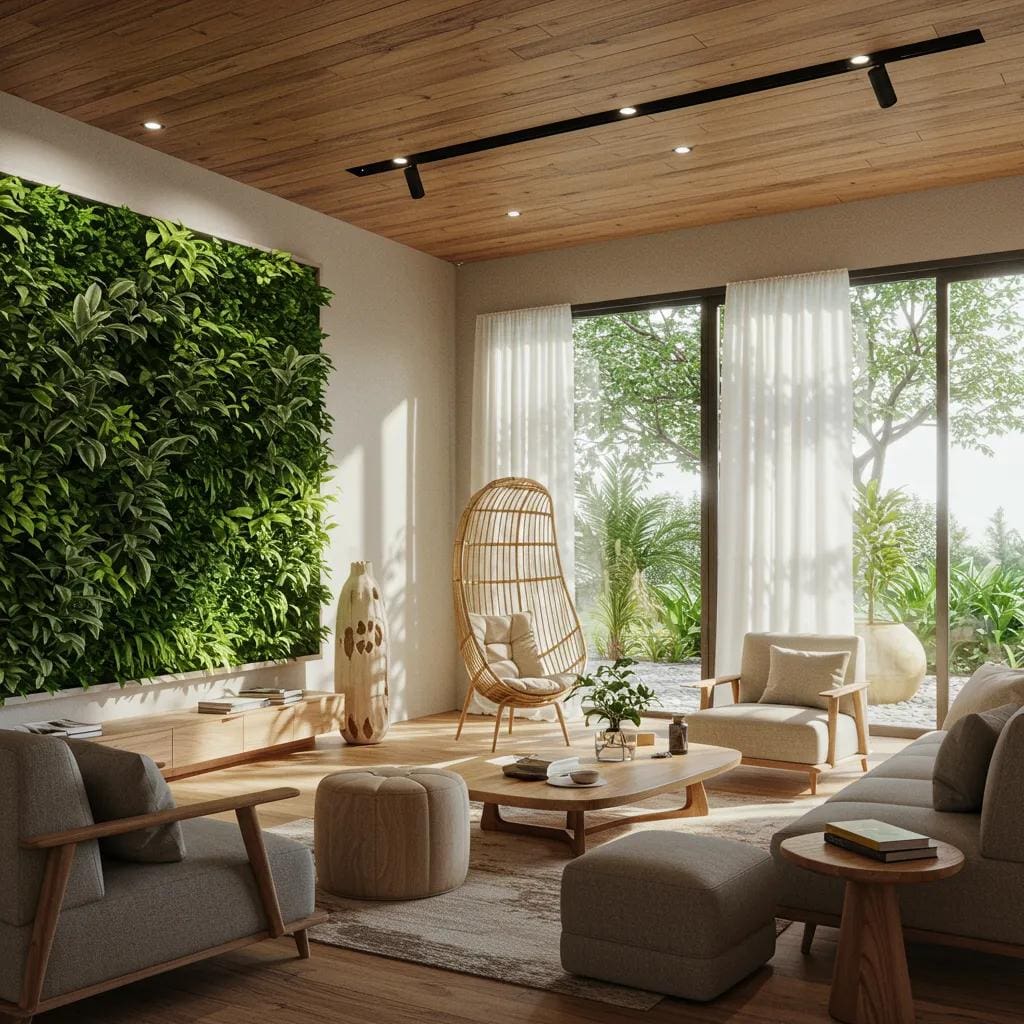
Biophilic design in Cardiff focuses on natural textures, indoor plants, and large windows to create a strong connection between indoor and outdoor spaces. Using untreated wood, stone wall finishes, and living green walls cultivates a calming atmosphere. Non-toxic finishes, such as water-based paints and natural waxes, ensure occupant health, while nature-inspired colour schemes enhance visual appeal. From sustainably sourced flooring to cork underfoot and recycled glass tiles, these interiors prioritise ecological integrity without sacrificing style.
How Can Smart Home Technology Optimise Energy Use in Cardiff Properties?
Smart home systems now offer features like zoned heating, automated blinds, and real-time energy monitoring to precisely manage consumption. Smart thermostats learn your habits to reduce heating during quiet periods, while app-controlled lighting adjusts to natural daylight. Energy dashboards show live solar generation and grid usage, empowering residents to manage their consumption effectively. These connected solutions work seamlessly with renewable energy systems for a comprehensive, data-driven approach to low-carbon living in Cardiff.
Leading Eco-Friendly Architects and Sustainable Builders in Cardiff
Cardiff’s green building sector is led by architects and builders who specialise in low-carbon design, Passivhaus certification, and custom eco-renovations. These experts understand local regulations and deliver homes built for the future.
What Services Do Sustainable Architecture Firms Offer for New Builds and Extensions in Cardiff?
Sustainable architects in Cardiff provide comprehensive design services, from initial concepts and 3D modelling to planning applications and Passivhaus consultancy. They select high-performance building components, coordinate renewable energy installations, and work with Cardiff Council to gain approval for green building projects. A collaborative approach ensures that every new build or extension meets carbon-neutral targets and local planning requirements. For homeowners starting from a blank slate, our overview of residential design & build services explains how sustainable thinking is embedded from day one.
How Do Energy-Efficient Home Builders in Cardiff Deliver Low Carbon Homes?
Eco-builders use methods like off-site modular construction, precision-engineered insulation, and airtight building techniques to achieve stringent energy efficiency standards. Rigorous quality checks, including blower door tests and thermal imaging, confirm airtightness levels below 0.6 air changes per hour (ach). Underfloor heating powered by heat pumps and integrated Mechanical Ventilation with Heat Recovery (MVHR) systems maximise comfort while minimising energy use for truly low-carbon homes.
What Should You Know About Planning Permission for Green Builds in Cardiff?
For green builds in Cardiff, it’s essential to consult with planning officers early on to demonstrate how your project meets sustainability criteria and complies with the Local Development Plan. Key aspects to consider include roof-mounted renewable energy systems, plans for greywater recycling, and statements on material sourcing. Seeking pre-application advice can speed up the approval process and help address any concerns related to Conservation Areas, keeping your project on track and aligned with regional carbon-neutral goals.
The construction and renovation of homes in Cardiff are governed by a comprehensive set of regulations designed to ensure safety, efficiency, and environmental responsibility. For step-by-step support, see our recent guides on understanding planning permission in Cardiff and simplifying the planning application process.
UK Building Regulations: Sustainable Practices in England and Wales
The UK building regulations are a set of rules governing the design, construction, and use of buildings. They are intended to ensure the health, safety, and welfare of individuals within and around buildings, and to protect the environment. The regulations are updated periodically to incorporate advancements in technology and best practices. The current building regulations applicable in England and Wales are the Building Regulations 2010. These regulations are supplemented by a series of Approved Documents, which offer practical guidance on compliance. The regulations encompass a broad spectrum of subjects, including structural integrity, fire safety, ventilation, energy efficiency, and accessibility for disabled persons. Furthermore, the regulations stipulate specific requirements for new constructions, extensions, and alterations. Enforcement of these regulations is carried out by local authorities, who possess the authority to inspect buildings and initiate enforcement proceedings where necessary. The regulations also undergo regular review and consultation processes to ensure their continued currency and efficacy.
(Evolution and current state of building materials, construction methods, and building regulations in the UK: Implications for sustainable building practices, B Vand, 2023)
How to Renovate Your Cardiff Home Sustainably in 2025
Eco-renovations can transform existing homes by upgrading insulation, installing efficient systems, and utilising Welsh Government incentives, all while preserving the property’s original character. If you’re planning a more extensive project, our 2025 guide to budgeting for a full home remodel and our overview of home renovation and new build services explain how sustainable upgrades fit into the bigger picture.
What Are the Best Green Home Renovation Tips for Kitchens and Bathrooms in Cardiff?
For kitchens, choose water-saving taps, induction hobs, and cabinets made from reclaimed timber finished with low-VOC oils.
Bathrooms can be enhanced with dual-flush toilets, rainwater harvesting systems, and bamboo cabinetry.
Retrofitting LED lighting and heat recovery ventilation further cuts energy and water use, updating Cardiff homes with modern eco-standards.
Which Grants and Funding Are Available for Sustainable Home Renovations in Wales?
Homeowners can access grants from the Welsh Government through schemes like Nest and Arbed to help fund insulation, solar panel installations, and heat pumps.
- Nest Grant: Covers up to 100% of insulation costs for eligible households.
- Arbed Programme: Supports investment in community-level renewable energy projects.
- Home Energy Wales Advice: Offers free energy audits and personalised recommendations for retrofitting.
These financial incentives reduce initial costs and speed up the transition to net-zero carbon homes across Cardiff and Wales. For a bigger policy picture, see how these sit within Cardiff’s low-carbon strategy and local retrofit ambitions.
How Do Home Energy Audits Help Improve Efficiency in Cardiff Homes?
A thorough energy audit identifies heat loss, inefficient systems, and renewable energy potential using methods like blower door tests, thermal imaging, and energy consumption analysis. The resulting detailed report ranks upgrade options by their payback period and carbon reduction impact. This data helps homeowners prioritise the most effective improvements—such as insulation, new windows, or renewable energy systems—to achieve the greatest savings on energy bills and emissions.
Incorporating Eco-Conscious Interior Design in Your Cardiff Home
Eco-conscious interiors combine practicality with wellbeing by selecting natural materials, maximising natural light, and fostering a connection with nature. This approach complements sustainable building structures to create truly holistic, low-carbon living environments. Our wider article on sustainable architecture benefits for Cardiff homes shows how interior choices support overall performance.
What Is Biophilic Interior Design and How Does It Benefit Cardiff Homeowners?
Biophilic design incorporates natural patterns, textures, and plant life to reduce stress and improve cognitive function. In Cardiff homes, features like living plant walls, textured wood elements, and stone accents create a multisensory experience that promotes relaxation and enhances air quality. This nature-focused approach supports mental health and aligns perfectly with broader sustainable design goals.
Which Non-Toxic Paints and Sustainable Furniture Are Recommended in Cardiff?
Opt for water-based, low-VOC paints that carry eco-certifications to ensure healthier indoor air quality. Furniture made from FSC-certified wood, recycled metal, and sustainable fabrics offers durability with minimal environmental impact. Choosing locally crafted items reduces transportation emissions and supports Cardiff’s creative community.
How Can You Maximise Natural Light for a Greener Home in Cardiff?
Strategic placement of windows, including rooflights, clerestory windows, and large south-facing picture windows, captures daylight while minimising heat loss. Interior finishes in light, reflective colours amplify brightness, reducing the need for artificial lighting. Daylight sensors and automated shading systems further optimise comfort and energy efficiency throughout the year.
Next Steps for Your Sustainable Home Project in Cardiff
Starting a sustainable home project in Cardiff involves expert advice, tailored design, and clear project stages. Local specialists can guide you smoothly from the initial idea to the final completion, ensuring all regulations are met and performance targets are achieved. You can explore our full range of sustainable architecture services to see how we support Cardiff homeowners at each stage.
Why Partner with Local Sustainable Design Specialists in Cardiff?
Local experts possess in-depth knowledge of Cardiff’s climate, planning regulations, and supply chains. This allows them to create bespoke low-carbon solutions that respect both the local environment and existing heritage. Their established networks with material suppliers and contractors help speed up project delivery and ensure high quality throughout every phase of your eco-build. Our team is based in the city centre, and our Cardiff architecture firm overview explains how that local insight feeds into each design.
How Can You Get a Free Consultation or Quote for Sustainable Home Design in Cardiff?
Get in touch with us today for a no-obligation design consultation. We’ll start with an initial site visit, discuss your project aspirations, outline potential upgrades, and provide a detailed proposal tailored to your budget and sustainability objectives. You can reach us directly via our contact page to book a convenient time.
What Should You Expect During the Sustainable Home Design Process?
The process begins with an on-site assessment and energy audit, followed by concept design, securing planning approvals, and developing technical specifications. Our team then manages the construction, commissioning, and quality assurance phases to deliver a fully certified, low-carbon home ready for comfortable, eco-friendly living. For a broader look at how we structure projects, see our architecture and construction process overview.
Frequently Asked Questions About Sustainable Home Design in Cardiff
What Are the Latest Sustainable Home Design Trends in Cardiff for 2025?
Cardiff’s 2025 trends focus on high-efficiency renewable energy systems, materials sourced locally, biophilic interiors, and intelligent energy management to achieve carbon-neutral living and superior comfort. Our companion article on sustainable architecture benefits explores how these trends affect long-term value.
How Can I Make My Cardiff Home More Energy Efficient?
Improve insulation, install solar PV and heat pumps, replace single-glazed windows with high-performance glazing, and integrate smart thermostats to optimise energy use and lower your bills. Our page on energy-efficient design sets out typical upgrade packages for Cardiff homes.
Who Are the Best Eco-Friendly Builders and Architects in Cardiff?
Leading professionals specialise in Passivhaus design, BREEAM certification, and custom green renovations, delivering low-carbon homes that meet Cardiff Council’s sustainability goals. To compare options, our guide to top architecture firms in Cardiff and our complete guide to choosing an architect outline what to look for.
What Grants Are Available for Green Home Improvements in Cardiff and Wales?
Welsh Government schemes like Nest and Arbed offer grants for insulation, heat pumps, and renewable energy installations, reducing upfront costs and accelerating retrofit projects. When planning works, it can help to align your project with the priorities described in Cardiff’s low-carbon plans, as this often improves eligibility for emerging schemes.
How Do Solar Panels and Heat Pumps Work in Cardiff Homes?
Solar panels convert sunlight into electricity, which is used directly by the home or stored in batteries. Heat pumps extract ambient heat from the air or ground and amplify it to provide space heating with minimal electricity consumption. Combining both technologies with a fabric-first approach — as described in our sustainable architecture guide — usually gives the strongest long-term savings.
Creating a sustainable home in Cardiff involves combining innovative technologies, eco-friendly materials, and thoughtful design to achieve long-term savings, healthier living, and a reduced carbon footprint. By embracing these trends and working with local experts, you can transform your property into a resilient, future-ready eco-home. Contact us today to start your low-carbon journey.