Planning Your Roath Extension: Jamatek Design Studio’s Practical Step-by-Step Guide to Adding Space
A well-planned home extension in Roath does three things: it adds useful living space, brings more natural light and improves how your home flows — and when done well it can raise your property’s value while respecting local planning rules. Jamatek Design Studio, an architectural studio in Cardiff, regularly helps homeowners plan extensions that feel tailored to Roath’s streets and plot types. This guide explains what a Roath extension typically involves, why the area’s common house types suit particular solutions, and how to move from brief to handover with confidence. You’ll find practical Cardiff Council planning pointers, realistic cost ranges for single- and two-storey options, design ideas for terraced houses, and how virtual reality previews can reduce layout risk. We also set out the step-by-step process we use at Jamatek Design Studio, how to choose the right architect, and budgeting and daylight strategies tailored to Victorian terraces and similar plots. Follow the sections below to take your project from first idea to practical next steps while understanding the regulatory and cost factors that usually shape Roath extensions.
Why choose a home extension in Roath? Benefits and local context
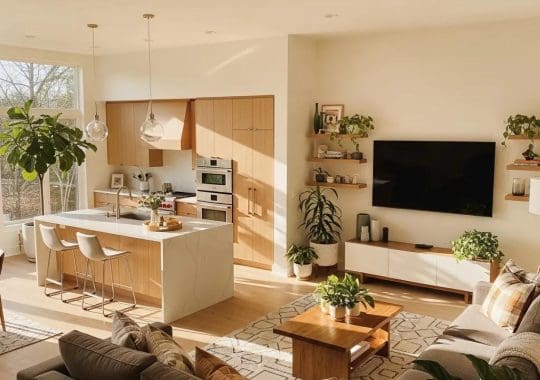
An extension in Roath gives you extra usable space by extending the footprint or adding volume — a particularly effective approach for the Victorian terraces and semi-detached houses that dominate the area. Rear or side extensions improve circulation, create contemporary open-plan kitchens, strengthen connections to small gardens and make family living more flexible, while also offering a noticeable boost in resale appeal when designed thoughtfully. Roath’s close access to shops, schools and transport makes extra space especially valuable to families and professionals who prefer to stay local. Knowing the neighbourhood context — plot widths, rear garden depths and conservation-area rules — helps you choose the extension type that balances daylight, cost and planning certainty. For broader ideas on layouts and finishes, our guide totransforming your Roath property shows how considered design can unlock space without overbuilding. The subsections below explain why Roath lends itself to common extension types and how value uplift typically shows up before we move on to planning and cost considerations.
What makes Roath ideal for home extensions?
Roath’s housing stock — mainly Victorian terraces with regular rear gardens and modest side returns — creates predictable opportunities for single-storey rear extensions, side returns and small wrap-around designs that expand kitchens and living space. Many properties still have original rooflines and brickwork that can be matched sensitively, and plot depths often allow 2–3 metre rear projections without major demolition, which simplifies construction. The area’s amenities reduce the need to move, so homeowners can invest in improvements that adapt older layouts for modern family life and home working. Recognising these local patterns guides decisions about glazing proportions, roof form and efficient service runs, which in turn influence planning and cost outcomes covered later in the guide. Discussing options early with a locally focused Roath architecture firm helps you judge what is realistic on your specific plot.
How can a home extension increase your property value in Roath?
A smartly designed extension increases usable floor area and modern amenities, which boosts market appeal; for high-quality work this uplift commonly falls in the mid-teens percentage range, driven by better kitchen and bathroom provision and extra bedrooms. Kitchen extensions that create open-plan living with direct garden access often deliver strong returns because they change how the home is used daily and appeal to a broad buyer market. Two-storey additions that add bedrooms usually bring higher incremental value but also higher costs. The exact uplift depends on finish quality, spatial efficiency and alignment with local planning expectations, so strategies that maximise natural light and circulation tend to give the best value for money. If you are weighing up value uplift across Cardiff more broadly, our article on how home renovations in Cardiff can boost property value offers additional context. Next we walk through planning permission and permitted development issues that affect what you can build and how value is realised.
How to navigate planning permission for Roath extensions?

Planning permission determines whether your proposed extension can proceed as designed. In Roath the route will be either a full planning application or permitted development (PD) rights, depending on size, height and conservation-area status. If you are new to the process, our guide to understanding planning permission in Cardiff for homeowners sets out the broader principles that apply across the city. Take a clear, stepwise approach: check PD limits, confirm any conservation or listed-building implications, obtain measured drawings and then submit a planning application to Cardiff Council or follow the prior-notification/PD route where appropriate. Early engagement with a qualified architect or planning consultant reduces the risk of refusal and speeds the process by ensuring submissions address neighbour amenity and materiality issues common in Roath. Below is a practical checklist of what to prepare for a Cardiff Council submission and a concise table summarising typical decision times and documents to have ready.
Cardiff Council planning checklist: what to prepare before applying.
- Measured site drawings and existing and proposed floor plans showing the intended changes.
- Design and access statement summarising materials, scale and daylighting impacts.
- Site location plan and, where required, a land ownership certificate and neighbour notifications.
- Structural appraisal notes if works affect load-bearing walls or require new foundations.
These items form a complete submission that reduces back-and-forth with the planning authority and gets you ready for the contractor tender stage after a successful decision. For a broader step-through of how applications are handled, our overview on simplifying the Cardiff planning application process is also useful.
| Application Element | Purpose | Typical Timeframe |
|---|---|---|
| Full Planning Application | Permission for larger or non-PD works | 8–10 weeks decision window |
| Permitted Development (PD) Check | Confirm whether the works fall within PD limits | Immediate to 2 weeks (depends on checks) |
| Pre-application Advice | Early feedback from planning officers on design and constraints | 4–6 weeks turnaround |
| Conservation Area Review | Assess heritage and material implications | Additional weeks depending on heritage input |
What are the Cardiff Council planning regulations for Roath?
Cardiff Council expects proposals to demonstrate proportionate scale, appropriate materials and minimal impact on neighbour amenity, supported by plans and a design statement where needed to show context and daylight analysis. Make sure to include existing and proposed plans, elevations and roof plans, plus a site location plan and certificate of ownership to avoid validation delays. Decision times vary, but a standard application usually gets an outcome within two to three months; pre-application advice can reduce uncertainty by clarifying conservation Area or roofline issues. For single-storey schemes specifically, our focused guide to planning permission for single-storey extensions in Cardiff explains how typical limits apply in terraced streets. Thorough documentation early on increases the chance of a favourable outcome and eases the move into costing and contractor selection described next.
How do permitted development rights affect your Roath extension?
Permitted development (PD) rights let you carry out smaller extensions without a full planning application, subject to size and height limits and exclusions for properties in conservation areas or subject to Article 4 directions. For a city-wide view, our explainer on permitted development rights in Cardiff sets out the main thresholds and caveats. Key PD points include rear extension depth limits for terraced houses, maximum eaves and ridge heights for single-storey additions, and restrictions on materials that would be visually dominant; conservation areas often remove PD benefits and require formal applications. The table below summarises common PD attributes Roath homeowners should check before assuming PD applies.
| Planning Route | Attribute | Typical Limit / Note |
|---|---|---|
| Permitted Development | Rear projection (terraced) | Often up to 3 metres for single-storey — check local variations |
| Permitted Development | Height limits | Single-storey eaves and ridge thresholds apply; two-storey additions need caution |
| Full Planning | Conservation area matters | Conservation areas commonly require full applications and design justification |
What are the typical costs of house extensions in Cardiff and Roath?
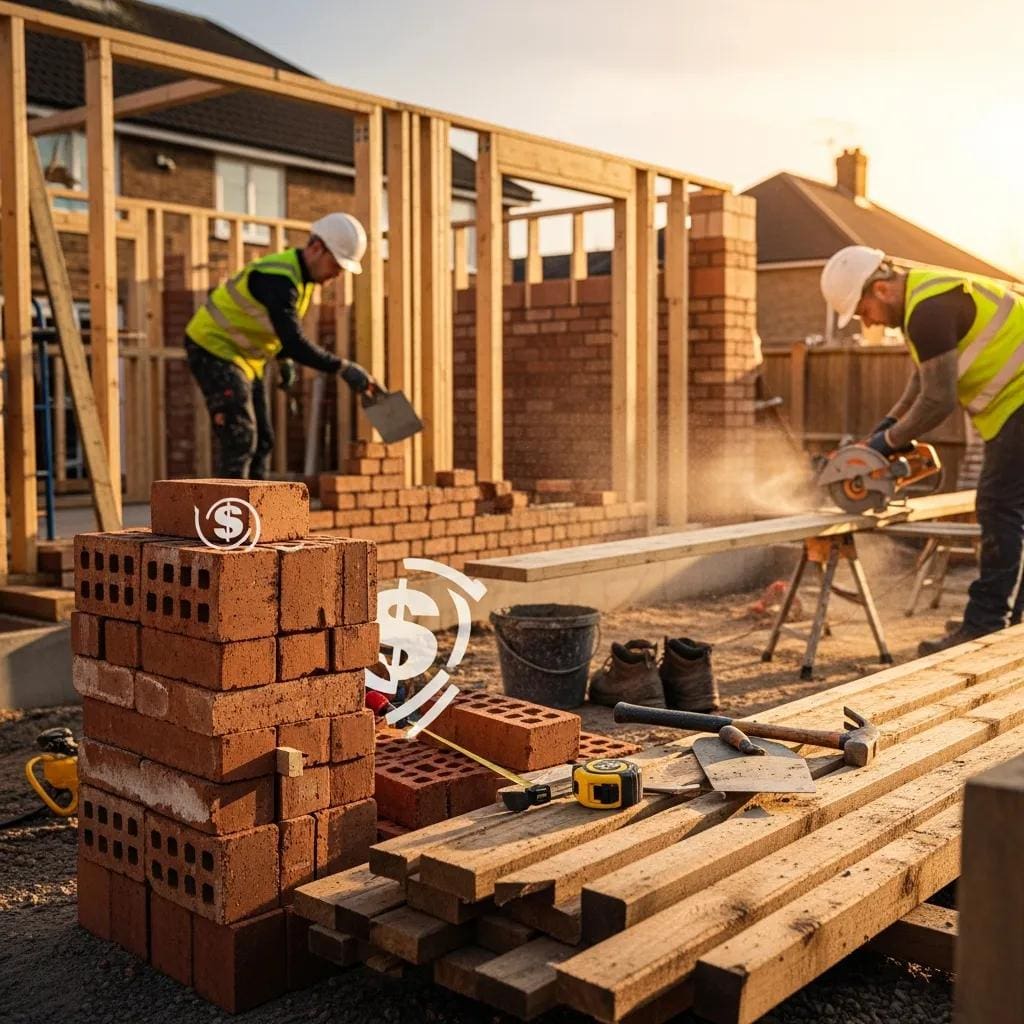
Costs for Roath extensions depend on type, size, finishes and site constraints, but you can use broad ranges to set a realistic budget: single-storey rear extensions usually cost less per square metre than two-storey builds because they avoid complex structural and service relocations. Major cost drivers are foundations and drainage on terraced plots, structural alteration to existing walls, high-spec glazing or roof lanterns and internal finishes; site access and local contractor demand in Cardiff also affect rates. If you want to explore how pricing shifts with technology, our article onhouse extension costs and how VR transforms construction looks at cost planning alongside visualisation tools. The table below compares common extension types with indicative cost per m² and typical total ranges to help you set an early budget. After the table we list common soft costs and contingency advice.
Common soft costs to include in early budgets:
- Architect and planning fees for design, submissions and drawings.
- Structural engineer fees and necessary surveys.
- A contingency allowance for unforeseen structural issues or finish upgrades.
| Extension Type | Cost per m² (indicative) | Typical Project Range |
|---|---|---|
| Single-storey rear extension | £1,200–£1,600 | £25,000–£50,000 depending on size and finish |
| Two-storey extension | £1,800–£2,500 | £60,000–£120,000 depending on scale |
| Side return / wrap-around | £1,400–£1,900 | £35,000–£80,000 depending on complexity |
How much does a single-storey extension cost in Roath?
A single-storey rear extension in Roath typically sits in the mid-range overall, with total cost driven by floor area, ground conditions and glazing choice; a modest 20–25 m² kitchen extension with mid-range finishes usually falls in the lower half of the single-storey range. Key cost factors are excavation and foundations in older terraces, choice of bi-fold or sliding doors, roof type (flat with a roof lantern versus pitched) and internal finish level such as bespoke joinery or high-spec appliances. If you are at a very early stage, our 2025 guide to budgeting for your full home remodel costscan help you understand how an extension sits within a wider renovation plan. Allow for professional fees and a contingency of around 10–15% to cover unforeseen excavation or drainage work. Understanding these drivers helps you prioritise where to invest for the best return and informs the design options in the next section.
What factors influence the cost of your Roath home extension?
Final cost is influenced by site constraints and access, structural complexity, material and window choices, finish level and timeline pressures that can push labour rates up during busy periods. Soft costs — planning and architect fees, structural surveys and party-wall awards — form a meaningful part of the budget and should be included early to avoid underestimating. Value engineering to manage cost includes using standard-sized glazing units, simplifying roof forms, specifying cost-effective yet durable finishes and phasing non-essential works. Knowing these cost drivers lets homeowners make informed trade-offs between upfront spend and long-term value as they refine the brief with a design team.
How can you maximise space and light in your Roath home extension?
Maximising usable space and daylight in Roath extensions depends on compact, flexible plans, thoughtful glazing placement and daylighting strategies suited to narrow plots and neighbouring buildings. Design moves such as removing non-structural internal walls, adding rooflights or lanterns and creating clear visual connections to the garden increase both perceived and real space while prioritising natural light. Reflective internal finishes, shallower plan depths for rear extensions and sliding or bi-fold doors on the rear elevation all help light penetrate deeper into the home and improve indoor-outdoor flow. The table below compares common design options with their main element and the principal benefit or trade-off for Roath terraces to help you weigh choices quickly.
When choosing design moves, balance generous glazing with privacy and thermal comfort — invest in high-performance glazing where budget allows to lower running costs while keeping light levels high.
| Design Option | Element | Benefit / Trade-off |
|---|---|---|
| Side return | Small lateral extension | Adds valuable plan width; may require party-wall works |
| Rooflights / lanterns | Glazing in the roof | Strong daylight gains; adds structural cost |
| Glazed rear wall | Bi-folds or sliding doors | Excellent indoor-outdoor flow; consider privacy |
| Open-plan layout | Remove internal partitions | Improves circulation and perceived space; requires structural checks |
What design ideas help maximise space in Roath terraced houses?
Terraced homes respond well to focused, high-impact moves that increase floor area and daylight without overcomplicating construction. Practical ideas include small side returns to widen kitchen plans, rear extensions of 2–3 metres where feasible, built-in storage to free circulation space, sliding or bi-fold doors to connect to the garden, and rooflights to bring light into deep plans. Each option has trade-offs — side returns can trigger party-wall requirements, large glazed areas need careful thermal detailing, and rooflights need structural coordination — but combined they produce flexible open-plan layouts that work for family life and home working. With a clear brief, design can prioritise usable square metres rather than just added volume, which is where VR previews help clarify choices.
How does Jamatek Design Studio use virtual reality to enhance space planning?
At Jamatek Design Studio we use virtual reality previews to help clients experience proposed layouts and finishes before construction starts. VR walkthroughs turn plans into an immersive three-dimensional view so you can judge scale, light distribution and circulation more confidently. This reduces late changes, cuts the risk of costly change orders, improves communication between client and contractor and speeds sign-off on materials and lighting. Used alongside measured drawings and daylight studies, VR helps us manage costs more predictably and prepare clearer planning submissions — a natural lead-in to our step-by-step project process.
What is the step-by-step process with Jamatek Design Studio for your Roath extension?
Our project process guides a Roath extension from brief to handover through defined stages: initial consultation and site appraisal; concept design and planning submission (with VR previews where helpful); technical design and tender; construction with project management; and final handover with snagging and completion checks. This staged approach balances design intent, planning constraints and budget limits at each point, with the architect coordinating technical requirements and client expectations. For a fuller overview of how we structure projects from first enquiry onwards, you can also review our architecture project process. Timelines vary by complexity, but following these stages reduces surprises and keeps decision points clear. The sections below describe what happens at the initial consultation and during project management so you know what to prepare and expect.
How does the initial design consultation work?
The initial consultation usually starts with a site visit and a structured briefing to capture your needs, priorities and budget, followed by a review of existing plans and photos to inform initial concept sketches. During the meeting we’ll discuss likely planning routes, flag any conservation-area matters and explain how VR previews can test layouts and finishes before construction. Please come prepared with aspirations for room use, examples of preferred materials and any known site constraints; we’ll then outline immediate next steps such as measured surveys or a pre-application enquiry. This early phase establishes scope and a provisional timeline that shapes cost estimating and the tender stage.
Contact us
What to expect during project management and construction?
During construction the architect typically coordinates contractor selection, clarifies technical drawings with the builder and carries out periodic site inspections to check compliance with the design and Welsh building regulations, while managing queries and unforeseen site conditions. A straightforward project timeline breaks the build into mobilisation, structural works, first-fix services, finishes and handover, with regular progress meetings to review budget and quality and a final snagging stage to ensure the works meet the brief. Clear communication and documented instructions reduce disputes and let homeowners make informed decisions about finishes and fit-out as the project progresses. Knowing these management roles helps you stay engaged without needing to oversee every trade and sets up the final section on choosing the right architect.
How to choose the right architect for your Roath home extension?
Choosing an architect for a Roath extension means looking for local experience, planning knowledge, technical competence and a compatible communication style so the team can navigate Cardiff Council processes and deliver practical designs for Victorian terraces. Key selection criteria are demonstrated local projects or similar property experience, evidence of planning application success or pre-application engagement, a clear scope of services and fees, and a collaborative approach that may include VR to reduce uncertainty. For a wider Cardiff context, our guide totop architecture firms in Cardiff and what to look for sets out useful comparison points. The checklist below suggests questions to ask potential architects and red flags to watch for when comparing proposals.
Checklist for selecting an architect:
- Ask about local project experience and planning outcomes for similar Roath properties.
- Request a clear scope of services, deliverables and fee structure.
- Confirm whether the architect provides technical coordination and on-site project management.
- Watch for vague timelines, opaque fees or reluctance to share past project examples.
After comparing candidates against these criteria, homeowners can choose the practice that best matches their priorities and risk tolerance. The next subsection summarises Jamatek’s strengths in context.
Why choose Jamatek Design Studio for Roath extensions?
Jamatek Design Studio focuses on architectural design for home extensionsin Roath and the wider Cardiff area, balancing creative thinking with technical precision to deliver well-detailed, practical schemes. Our use of virtual reality helps clients visualise layouts and finishes early, reducing late changes and improving decision confidence during planning and construction. We offer end-to-end architectural services — design development, planning support and project coordination — ideal for homeowners who want a single point of design responsibility for their extension. These capabilities respond directly to common client concerns about uncertainty and planning complexity and form part of the practical selection process above.
What do clients say about Jamatek’s Roath extension projects?
Clients working with practices that combine VR and local planning knowledge commonly report clearer communication, less uncertainty about space and finishes, and smoother planning submissions when documentation is thorough and tailored to local constraints. While individual testimonials are not reproduced here, frequently noted benefits include better spatial understanding through VR, a more transparent project timeline and fewer change orders thanks to early decisions. We recommend requesting anonymised references or project examples from any architect you consider to see evidence relevant to Roath terraces and to confirm these practical outcomes.
Frequently Asked Questions
What are the common challenges faced when planning a home extension in Roath?
Common challenges in Roath include navigating local planning rules — especially in conservation areas — and understanding permitted development rights. Site constraints such as narrow plots and existing structures can complicate design and build stages, and budgets can be stretched by unforeseen structural issues or high-quality finish requirements. Engaging an experienced architect early helps mitigate these risks and streamlines the process.
How long does the home extension process typically take in Roath?
Timelines vary with project complexity and planning route. The design and planning phase typically takes 2 to 6 months depending on whether you pursue a full planning application or PD. After planning approval, construction for a single-storey extension commonly takes 3 to 6 months; two-storey projects usually take longer. A skilled architect helps keep the programme on track and manage expectations.
What are the environmental considerations for home extensions in Roath?
Environmental considerations matter more now than ever. Aim for energy efficiency by choosing sustainable materials and high-performance glazing to cut energy use. Options such as green roofs or rainwater harvesting can boost sustainability, and consider biodiversity when planning landscaping. Working with architects who prioritise eco-friendly design helps you achieve these goals while meeting local requirements.
Can I live in my home during the extension construction?
Living on site during construction is often possible but depends on project scale. Smaller extensions are usually manageable with noise, dust and restricted access to some areas, while larger two-storey projects may make temporary relocation more practical for comfort and safety. Discuss living arrangements with your architect and contractor to create a plan that minimises disruption.
What financing options are available for home extensions in Roath?
Homeowners commonly finance extensions by remortgaging, taking a home equity loan, or using a personal loan (which usually carries higher interest). Some may explore government grants or schemes for energy-efficiency improvements. Speak to a financial adviser to identify the best option for your circumstances and project scope.
How can I ensure my extension complements the existing architecture?
To ensure your extension complements your home, consider materials, rooflines and window proportions. Work with an architect familiar with Roath’s architectural context for practical guidance on maintaining harmony with neighbouring properties. A simple visual analysis of nearby buildings will inform material and detail choices so your extension blends with the street and enhances curb appeal.
Conclusion
A carefully planned extension in Roath can transform how you live while improving your property’s value and functionality. By understanding local planning rules and applying thoughtful design strategies, homeowners can create spaces that meet daily needs and respect the neighbourhood. Working with experienced firms like Jamatek Design Studio — a home extension–focused Cardiff extension specialist — provides clarity from concept through completion, helping you manage cost, planning and build risks. Ready to explore ideas for your home? Contact us to start the conversation.