Cardiff Home Extensions: Your Guide to Permitted Development Rights and Planning Exemptions
Permitted Development Rights (PDR) in Cardiff simplify minor home upgrades by automatically granting planning permission for specific projects, saving you time and money. With Cardiff property prices averaging £268,000 in July 2025 and planning fees on the rise, understanding these rules can boost your property’s value while keeping you on the right side of the law. This guide breaks down the legal framework for PDR, details the limits for extensions, loft conversions, and outbuildings, explains when you’ll need full planning permission, and shows you how to check eligibility with Cardiff Council. If you’re weighing options for extra space before you start measuring, our main overview of home extensions is a useful starting point. For personalised support navigating the planning process, get in touch for a feasibility chat and ensure your project is compliant from the start.
What Are Permitted Development Rights and How Do They Work in Cardiff?
Permitted Development Rights are a national planning permission granted under the Town and Country Planning (General Permitted Development) Order 1995, allowing homeowners to undertake minor works without a full planning application. In Cardiff, PDR are managed by Cardiff Council but stem from Welsh Government policy. That means both national regulations and local policies must align for your project to qualify. If you want a plain-English breakdown of how these rules apply locally, see our guide to permitted development rights in Cardiff.
What’s the Legal Foundation for Permitted Development Rights in Cardiff?
The legal basis for PDR is established by the Town and Country Planning (General Permitted Development) Order 1995 and Planning Policy Wales, which grant specific rights across Wales. Cardiff Council implements these orders locally, interpreting them through its Replacement Local Development Plan (2021–2036). This process ensures that national permissions align with the city’s development goals and heritage preservation efforts.
How Does Cardiff Council Manage Permitted Development Rights?
As the Local Planning Authority, Cardiff Council oversees permitted development by offering pre-application advice, processing applications for Lawful Development Certificates, and enforcing planning conditions. The council’s planning team also uses local constraints—such as Article 4 Directions and Conservation Area designations—to modify or restrict PDR where extra controls apply.
What Types of Home Extensions and Conversions Are Covered by PDR?
Under PDR, works can include single-storey rear and side additions, some loft conversions (including dormers), and outbuildings like garden rooms. Some conversions (such as garage conversions) can also fall under simpler approval routes depending on what changes are proposed—here’s a focused explainer on planning permission for garage conversions if that’s the type of project you’re considering.
What Are the Key Rules and Limits for PDR in Cardiff?
PDR rules set limits on projection, height, boundary distances, and materials. Single-storey extensions are typically limited to a 4m rear projection for detached houses (3m for others), with overall height controls. Where projects step outside those limits, you’ll usually move into a full application route—this article on whether extensions require planning permission explains the most common triggers.
What Are the Specific Permitted Development Rules for Single Storey Extensions in Cardiff?
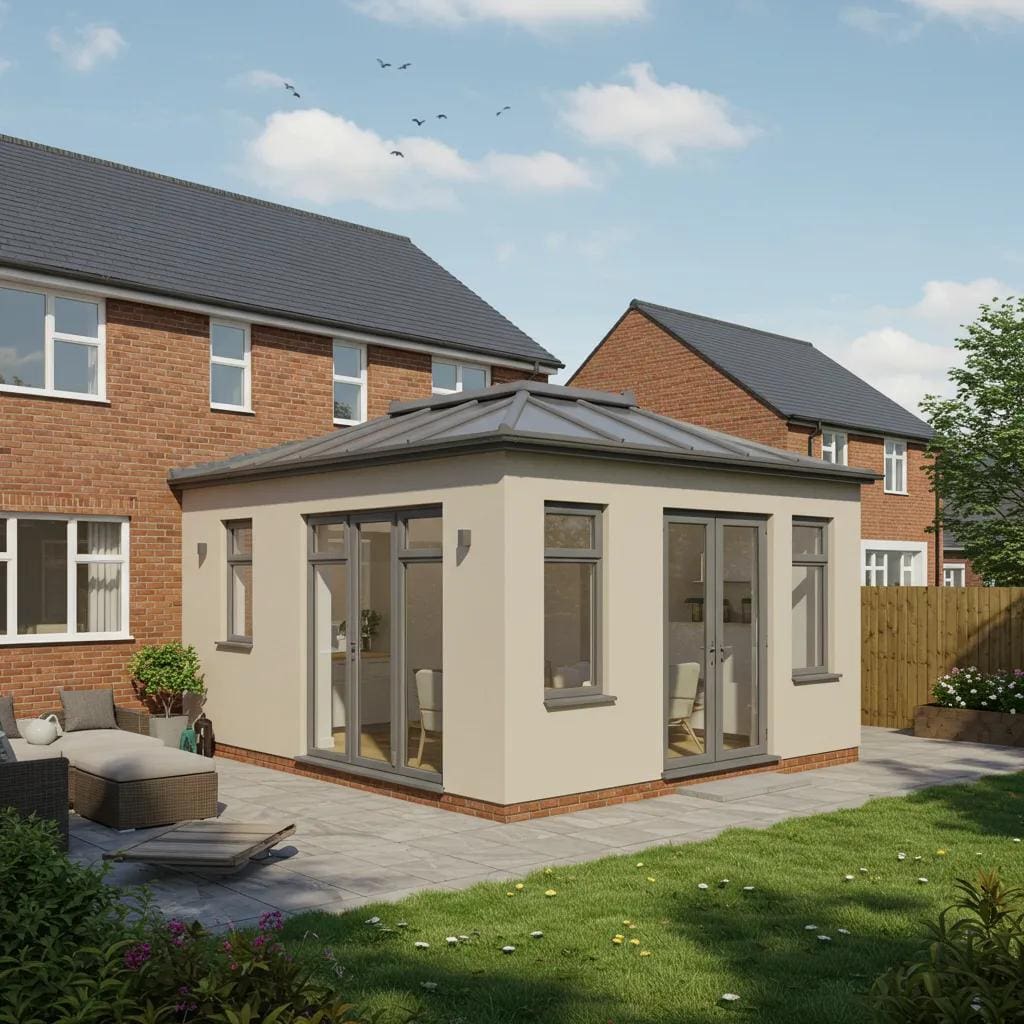
Single-storey extensions under PDR allow homeowners to add ground-floor living space without a full application, as long as strict size and location requirements are met. In Cardiff, these projects must adhere to the 4m maximum rear projection for detached properties and 3m for terraced or semi-detached homes, with an overall height limit of 4m. If you’re planning this type of build, our dedicated guide on single-storey extension planning rules goes deeper into constraints and common mistakes.
What Are the Maximum Size and Height Limits for Single Storey Rear and Side Extensions?
Rear extensions under PDR can project up to:
- 4 metres from the original rear wall on detached homes
- 3 metres on semi-detached and terraced homes
- A maximum height of 4 metres
These limits are in place to protect neighbour privacy and minimise overshadowing.
When Do Single Storey Extensions Need Building Regulations or Party Wall Agreements?
All single-storey extensions, regardless of whether they fall under PDR, must comply with Building Regulations concerning structural safety, thermal efficiency, and drainage. Party Wall Agreements are necessary if the work is adjacent to a neighbour’s property or involves excavation within 3 metres of a shared boundary.
How Do Conservation Areas and Article 4 Directions Impact Single Storey Extensions?
Conservation Areas and Article 4 Directions can remove certain PDR, meaning even small extensions might require full planning permission. Within designated heritage zones, council guidance can take precedence over national PDR rights.
What Are Common Planning Permission Exemptions for Single Storey Extensions in Cardiff?
Some works may appear “exempt” but still need checks—especially where prior approval or evidence is required. When in doubt, a Lawful Development Certificate is the safest way to lock in certainty before you build.
When Is Planning Permission Required Instead of Permitted Development in Cardiff?
Planning permission is mandatory when an extension or conversion exceeds PDR limits, sits in restricted areas, or is affected by Article 4 Directions. Two-storey works often fall into this category—if that’s your plan, our guide to two-storey extension requirements is a helpful reference point.
What Scenarios Require Full Planning Permission?
- Two-storey extensions that exceed PDR limits or sit too close to boundaries.
- Extensions on properties located in Conservation Areas or subject to Article 4 Directions.
- Any work that alters the roofline of a listed building.
- Changes of use that fall outside defined PDR classifications.
How Does Cardiff Council’s Local Development Plan Influence Planning Permission Requirements?
The Replacement Local Development Plan (2021–2036) can identify locations where PDR is restricted or withdrawn. Cardiff Council’s plan also flags sensitive areas—such as historic districts and flood-risk zones—where full applications may be required.
What Is the Process for Applying for Planning Permission in Cardiff?
Applying for planning permission involves submitting drawings, supporting statements where needed, ownership certificates, and paying the relevant fee. If you want to see the typical stages laid out clearly, here’s our overview of the planning application process.
How Do Lawful Development Certificates Support PDR Compliance?
A Lawful Development Certificate is formal confirmation that proposed works comply with PDR, providing legal certainty and reducing risk when selling or remortgaging. It’s especially useful where projects are close to limits, or where restrictions may apply.
What Are the Permitted Development Rights for Loft Conversions in Cardiff?
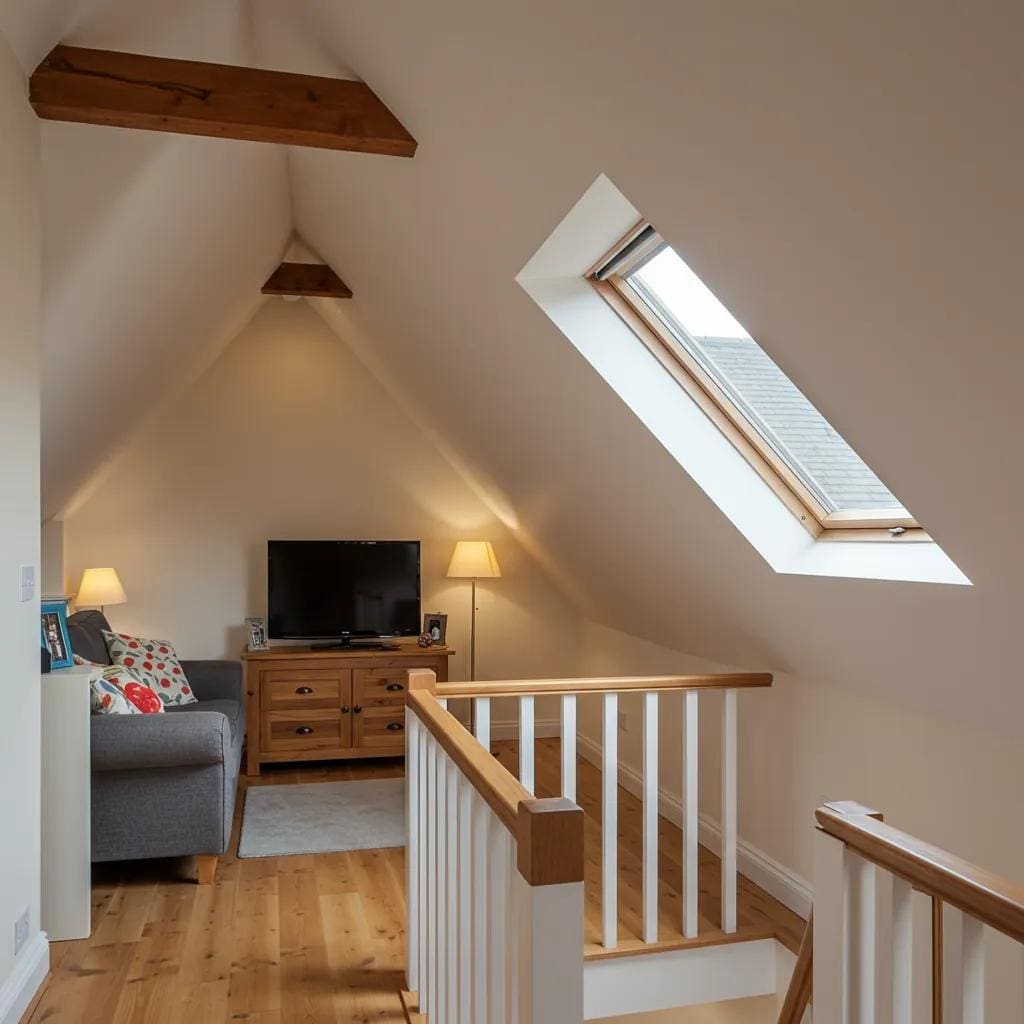
Loft conversions under PDR can be possible where volume and design constraints are met (commonly 40 m³ for terraced houses and 50 m³ for detached properties). Dormers may also be allowed if they meet positioning and materials requirements. For the practical rules homeowners get caught out by, see planning permission rules for loft extensions.
What Are the Volume and Design Limits for Loft Conversions Under PDR?
| House Type | Maximum Volume Increase | Roof Alterations Allowed |
|---|---|---|
| Terraced/Semi-detached | 40 m³ | One rear dormer |
| Detached | 50 m³ | Up to two side/rear dormers |
When Are Dormer Windows Allowed Without Planning Permission?
Dormers may be possible under PDR where they stay within size limits, respect privacy/overlooking rules, and use matching materials. Designs that materially change the street-facing roofline commonly trigger a full planning route.
What Building Regulations and Party Wall Agreements Apply to Loft Conversions?
Loft conversions must still meet Building Regulations for structure, fire safety, insulation, and stairs. If the conversion affects a party wall or shared roof structure, a Party Wall Agreement may be needed before works begin.
How Do Local Restrictions Affect Loft Conversion PDR in Cardiff?
Conservation Areas and Article 4 Directions can revoke loft PDR, meaning a full planning application may be required for dormers or visible roof alterations.
How Do Permitted Development Rights Apply to Outbuildings and Other Home Improvements in Cardiff?
PDR can also cover outbuildings such as sheds, garages, and garden rooms, as well as some boundary treatments and driveway works—provided size, height, and siting requirements are met. The key is staying within thresholds and avoiding works forward of principal elevations.
What Are the Rules for Sheds, Garages, and Garden Rooms Under PDR?
Outbuildings must be single-storey and comply with height and siting rules. The total area covered by outbuildings is also capped relative to the curtilage.
Are Fences, Gates, and Driveways Covered by Permitted Development Rights?
Some fences and gates are permitted within height limits. Driveway surfacing can also be permitted, particularly where drainage is handled correctly.
When Do Changes of Use Qualify for PDR in Cardiff?
Some change-of-use routes exist, but they are tightly defined and often require prior approval and supporting evidence.
How Does Cardiff Council Provide Guidance on Outbuildings and Ancillary Developments?
Cardiff Council provides guidance through its planning pages and pre-application routes. Early checks reduce the risk of enforcement and clarify whether certificates or applications are needed.
What Are the Costs and Value Considerations for Home Extensions Under Permitted Development in Cardiff?
Extensions built under PDR can be more cost-effective than those needing full applications, thanks to reduced admin and quicker routes to start on site. Costs vary widely by scope and structural complexity, and Building Control still applies.
What Are the Average Costs for Single and Two Storey Extensions in Cardiff?
Construction costs can vary based on the project’s scale and specifications.
- Single-storey: £21,000–£65,000
- Two-storey: £55,000–£95,000
The final budget is influenced by finishes, ground conditions, and structural alterations.
How Do Planning and Building Control Fees Affect Extension Projects?
While PDR works avoid a full planning application fee, Building Control charges still apply. A Lawful Development Certificate may also carry a council fee.
What Is the Potential Return on Investment for Extensions Using PDR?
Well-executed extensions can increase value, particularly where layout and natural light improve materially. The strongest returns are typically linked to useful floor area (kitchen-diners, extra bedrooms, better flow) rather than “novelty” space.
How Can Expert Advice Maximise Development Potential Within PDR Limits?
Architects can optimise layouts to sit within thresholds, prepare drawings suitable for certificates, and flag issues early (especially around neighbours, materials, and restricted areas).
How Can Homeowners Check Their Eligibility for Permitted Development Rights in Cardiff?
To confirm eligibility, you’ll need to check national rules, local restrictions, and any site-specific constraints. The safest approach is to document your assumptions before you build.
What Steps Are Involved in Checking PDR Eligibility with Cardiff Council?
- Review the relevant General Permitted Development Order for Wales.
- Check maps for Article 4 Directions and Conservation Areas.
- Apply for a Lawful Development Certificate where certainty is needed.
How to Apply for a Lawful Development Certificate in Cardiff?
You’ll typically submit drawings (plans/elevations/sections), a written description of works, and the fee. A decision is commonly issued within the council’s stated timeframe.
Are There Interactive Tools or Resources to Assess PDR Compliance?
Map tools can flag restrictions, and calculators can help with dimensions, but professional review is the most reliable method when projects sit close to thresholds.
When Should You Contact Planning Consultants for PDR Advice?
Engage specialist help when your proposal is close to limits, affected by restrictions, or relies on tight measurements and design interpretation.
Permitted Development Rights provide a more straightforward path for home improvements, but strict conditions and local policies require careful attention. If you’re unsure, a Lawful Development Certificate offers legal assurance and peace of mind. For project-specific advice, our planning permissions service can help you confirm the right route before you commit to design and build costs.