How to Transform Your Roath Property: Practical Renovation and Interior Design Advice from Jamatek Design Studio
Updating a Roath period home is rewarding but often complicated: how do you keep character while bringing the house up to modern living standards? This guide gives clear, localised advice for owners of terraces, flats and Edwardian homes in Roath. You’ll find realistic ideas for renovations that add value, interior design tips you can adopt, and sensible approaches to extensions in Cardiff, loft conversions and small-space solutions. We explain how to set priorities, estimate likely costs and timescales, and choose finishes and layouts that honour Victorian and Edwardian proportions while improving function and energy performance. The article walks through practical renovation options, interior-design strategies, compact-home tactics, conversion and extension planning in Roath, and a step-by-step route to starting work with a local specialist. Wherever relevant, we reference Cardiff and South Wales considerations and include sustainable-material choices and visualisation tools—AI and VR—that help you preview outcomes before building. By the end you’ll have a clear, actionable plan to refresh your Roath home with confidence and local insight.
What Are the Key Renovation Ideas for Roath Properties?
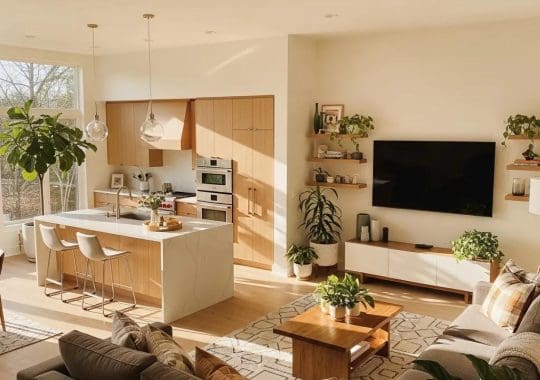
Renovations for Roath homes usually aim to unlock usable space, protect period detail and bring energy performance up to modern expectations. Typical moves include reconfiguring the kitchen for open-plan living, adding bathrooms or en-suites, converting lofts into bedrooms or studies, and designing thoughtful rear extensions or side-returns to grow ground-floor living. Each option sits in a different cost and disruption band, so understanding those trade-offs helps you pick work that improves daily life and market appeal. The sections that follow unpack common projects, compare typical timelines and highlight practical issues for Victorian and Edwardian terraces in Roath.
Renovation types differ mainly by cost, time on site and disruption level. The table below sets out typical ranges so you can compare options and plan realistically for terraces and flats across Cardiff and South Wales.
| Project Type | Typical Cost Range (indicative) | Typical Timeline | Disruption Level |
|---|---|---|---|
| Kitchen renovation | £8,000–£25,000 | 4–8 weeks | High (central hub of home) |
| Bathroom renovation | £4,000–£12,000 | 1–4 weeks | Medium (plumbing and finishes) |
| Loft conversion | £25,000–£60,000 | 8–16 weeks | High (structural and access work) |
This side-by-side view helps you decide what to group together and where to protect contingency funds. With priorities clearer, the next section outlines the services local design teams typically provide to deliver these projects reliably.
Which Home Improvement Services Does Jamatek Design Studio Offer in Roath?
At Jamatek Design Studio we package design, residential architectural services and on-site coordination specifically for Roath properties. Our work focuses on measured architectural drawings and practical interior layouts that respect period features while improving performance and circulation. We assist with planning applications and building-regulation submissions, organise specialist trades, and use visual tools so you can approve designs before construction begins. These services take a lot of the guesswork out of refurbishment, helping you move from concept to completion with clear decision points and fewer surprises. For project enquiries, contact us.
How to Plan Your Roath Property Renovation Budget Effectively?
Budgeting well starts with a defined scope, realistic allowances for Cardiff labour and materials, and a contingency—typically 10–15%—to cover the unknowns that older buildings present. Drawing on our experience of a typical Cardiff renovation budget, list the major cost areas: design fees, structural work, M&E (mechanical and electrical), finishes and specialist joinery. For higher-risk items get at least two trade estimates. Prioritise “must-do” structural work over cosmetic upgrades that can wait, and treat energy-efficiency measures (insulation, glazing, efficient boilers) as longer-term savings. A structured budget like this limits scope creep and helps your programme sit comfortably within available funds. The next section shows how interior design turns those budgets into usable, attractive spaces.
How Can Interior Design Specialists Enhance Your Roath Home?
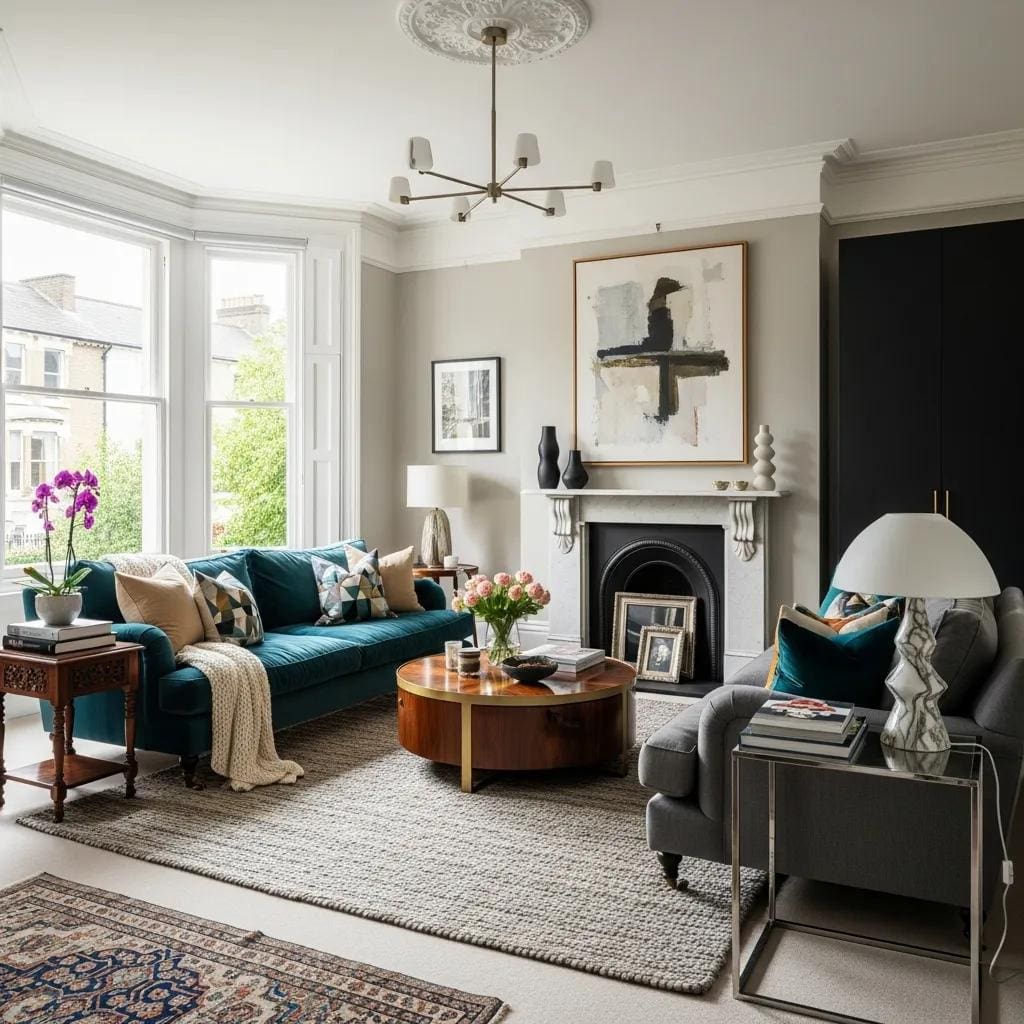
Design specialists help translate period proportions into practical, contemporary layouts. We choose materials that complement original details and solve small-space challenges with tailored joinery and considered lighting. Working from a spatial survey and mood boards, designers create cohesive palettes, improved circulation and strategic storage suited to terraces and flats, drawing on best practice in residential design in Cardiff. Bringing a designer in early reduces costly rework by aligning finishes, lighting and fixed furniture before work starts. The following subsections outline recommended styles and paint-and-light strategies to achieve a balanced period-contemporary look.
- Design consultation and concept development that balance historic features with modern needs.
- Space planning and bespoke joinery to maximise storage and circulation in narrow terraces.
- Specification of finishes, layered lighting and durable materials that suit period interiors.
These services simplify decision-making and minimise on-site changes, making the transition to builders and contractors smoother.
What Are the Best Interior Design Styles for Roath Properties?
For Victorian and Edwardian homes in Roath, the most sympathetic approaches combine period sensitivity with contemporary restraint to improve light and usability. A “modern-sympathetic” scheme retains cornices, skirtings and sash-window proportions while introducing pared-back cabinetry, neutral tones and tactile materials such as painted timber and natural stone. Scandinavian-inspired palettes boost daylight with pale woods and soft textiles, while restrained contemporary schemes work where original plasterwork is conserved. Choose finishes that reference the building’s era rather than copying it outright so the new and old sit together naturally.
How to Use Colour Palettes and Lighting to Transform Roath Homes?
Colour and layered lighting change how compact Roath rooms read and function. Pale, warm neutrals make small rooms feel larger; careful contrast adds depth where proportions allow. Plan three lighting layers—ambient (ceiling), task (work surfaces) and accent (picture lights, under-cabinet)—so each zone performs well. Use reflective surfaces and satin finishes to bounce light into north-facing rooms common in terraces, and reserve stronger colours for focal joinery or a single feature wall to avoid visual clutter. Thoughtful colour and lighting choices increase perceived space and allow period features to take centre stage without overwhelming the design.
What Are Effective Small Home Design Solutions for Roath and Cardiff Properties?
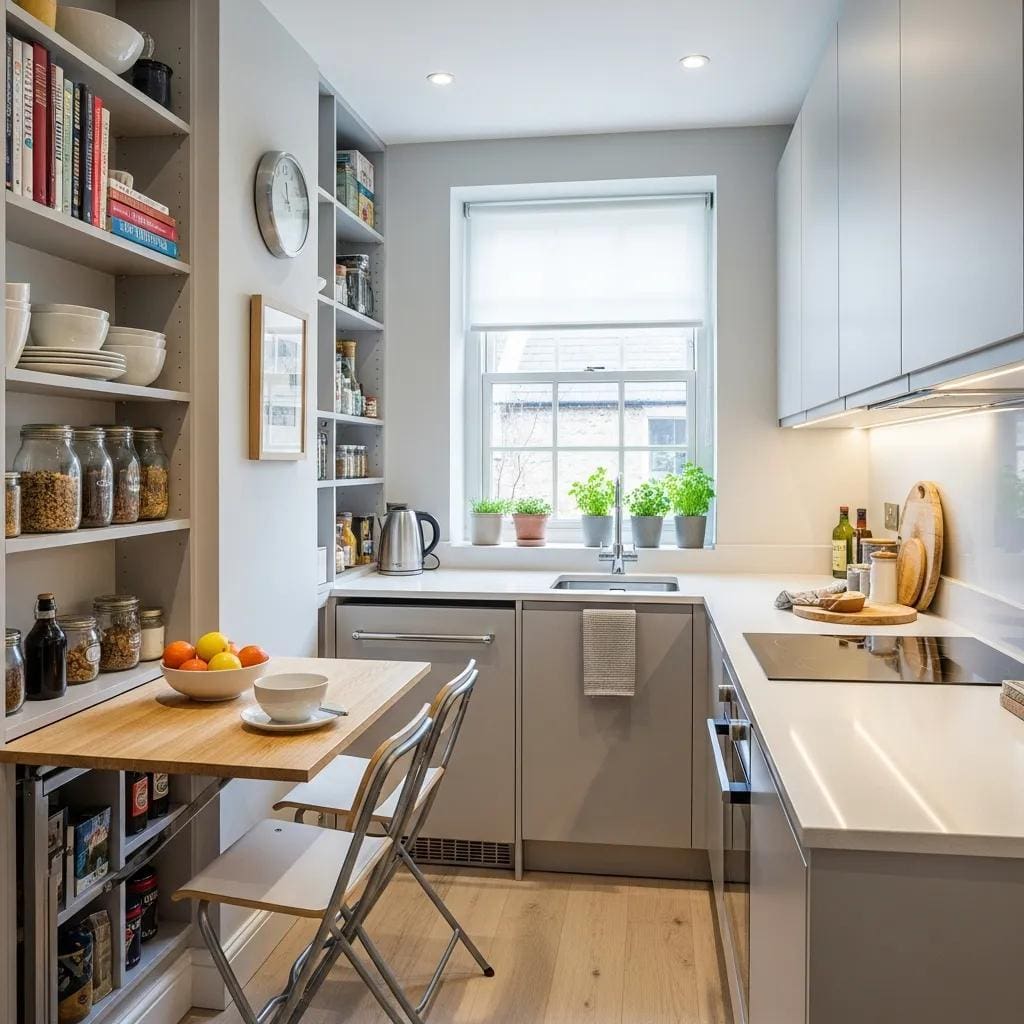
Small Roath flats and narrow-terrace plans benefit from vertical storage, multifunctional furniture and visual openness to maximise usability. Practical tactics include recessed shelves, full-height cupboards that follow chimneys or eaves, fold-away tables and sliding screens that preserve flow while creating distinct zones. Focus on changes that ease everyday routines—continuous kitchen worktops, coat storage near entrances and built-in laundry—because incremental gains add up in compact homes. The table below compares common small-space strategies by benefit, cost and ease of implementation to help you weigh DIY fixes against professional joinery across Cardiff residential properties.
| Solution | Primary Benefit | Typical Cost | Ease of Implementation |
|---|---|---|---|
| Vertical storage (full-height cupboards) | Maximises storage without footprint loss | Medium | Requires joinery or pro installation |
| Multi-functional furniture (sofa-beds, fold tables) | Increases flexibility of rooms | Low–Medium | Often DIY or off-the-shelf |
| Integrated lighting (under-cabinet, recessed) | Enhances perception of space | Low–Medium | Simple fit or electrician needed |
Use this comparison to prioritise the small changes that will make the biggest everyday difference. The following H3s give tactical layout tips and storage ideas you can implement quickly.
How Can You Maximise Space in Small Roath Flats?
Maximising space combines targeted structural changes with immediate layout choices to improve flow and storage. Where practical, removing non-structural partitions between kitchen and living areas opens up depth and light; alternatively, glazed internal screens keep functions distinct without blocking sightlines. Opt for compact, efficient kitchens with appliances along one or two walls and use reflective or light-coloured finishes in narrow hallways to avoid a cramped feel. Pair minor structural tweaks with bespoke storage and you’ll get durable, everyday improvements for small Roath properties.
What Clever Storage and Multi-Functional Furniture Ideas Work Best?
Smart storage hinges on built-in joinery that fits awkward alcoves, under-stair voids and eaves while keeping circulation clear. Think full-height wardrobes combining hanging space and shelving, window-seat benches with concealed storage, and shallow kitchen larders that free up floor space. Multi-functional pieces—fold-down desks, extendable tables and wall-mounted media panels—reduce clutter and let rooms do more. On tighter budgets, mix affordable modular units with a few made-to-measure pieces for the best long-term fit.
How Do Extensions and Loft Conversions Transform Roath Properties?
Extensions and loft conversions add meaningful floor area, creating extra bedrooms, larger living spaces or open-plan kitchens that transform daily life and typically boost property value. Key considerations are how much space you need, planning permission likelihood in a conservation or terrace context, and how to manage structural and party-wall issues. Good design ensures the new work reads as part of the house and meets modern standards for insulation, ventilation and fire safety. The table below compares common interventions by space added, planning likelihood, cost and likely value uplift to help you choose the right route.
| Intervention | Space Added | Planning Permission Likely? | Typical Cost Range | Typical Value Uplift |
|---|---|---|---|---|
| Rear extension | 10–30 m² | Sometimes (depends on scale) | £20,000–£60,000 | Moderate–High |
| Loft conversion | 8–20 m² | Often permitted development; depends | £25,000–£60,000 | High |
| Side-return | 6–15 m² | Less likely to require full permission | £15,000–£45,000 | Moderate |
This comparison highlights the trade-offs between cost, disruption and likely return. The sections below cover planning considerations and practical tips for delivering these kinds of projects in Roath terraces.
If your planning an extension in Roath this article will tell you everything you need to know
What Planning Considerations Are Needed for Roath Loft Conversions?
Many loft conversions fall under permitted development, but you should still expect structural surveys, party-wall agreements and compliance with current fire-safety and insulation regulations. Start with a survey to confirm roof structure and head height. Then check whether a dormer or rooflights are appropriate for the terrace context and neighbours. Begin party-wall discussions early if adjoining walls are involved, and review local guidance on permitted development rights in Cardiff. Taking these steps upfront reduces delays and unexpected costs during the build.
How Can Home Extensions Add Value and Space in Roath?
A well-designed extension can convert awkward layouts into usable family spaces and often lifts value when it increases light, improves flow and adds a kitchen-dining area or extra bedroom. Consider how the addition relates to garden space and neighbours to maximise amenity and resale appeal. Choose materials and window proportions that complement the existing façade without pretending to be original. Budget attention to joinery, waterproofing and detailing to avoid future maintenance, and balance cost against likely return—mid-range extensions often offer the best value in the Roath market. Managed correctly, these projects deliver both lifestyle improvements and measurable market benefits.
Why Choose Jamatek Design Studio for Your Roath Property Transformation?
Jamatek Design Studio combines local knowledge of Cardiff and South Wales property types with a design-led approach that respects period architecture while delivering contemporary functionality. Our process covers site survey, concept design, planning support and implementation oversight, with visualisation tools so you can preview proposals before building starts. We structure projects to reduce uncertainty, coordinate trades efficiently and ensure specifications suit the Victorian and Edwardian context in Roath. If you’re seeking a local partner who blends design rigour with practical delivery, contact us.
What Unique Design Processes and Technologies Does Jamatek Use?
We follow a concept-to-build workflow: measured surveys and spatial analysis, iterative concept models, then detailed construction documentation to control on-site outcomes. We also use modern visualisation tools—AI-assisted design studies and VR walkthroughs—to speed decisions, reduce rework and give clients confidence in layouts and finishes before bespoke elements are made. These tools help with client engagement, quicker approvals and smoother coordination with contractors, which improves on-time delivery and reduces costly changes once work is under way.
How Do Client Testimonials Reflect Jamatek’s Expertise in Roath?
Local clients often praise clear communication, respect for period detail and the quality of the built result—qualities we encourage showcasing for Roath projects. When collecting testimonials, focus on measurable outcomes like improved space function, planning successes and smoother project coordination rather than vague praise. Quotes that name the project type—loft conversion, extension or kitchen rework—and the specific improvements achieved give future clients relatable evidence. Themed testimonials make it easier for Roath homeowners to find examples that match their own priorities.
How Can You Start Your Roath Property Transformation with Jamatek Design Studio?
Starting a Roath renovation with Jamatek is straightforward: initial enquiry and brief, site survey and feasibility, concept design and budgeting, planning submissions where needed, then procurement and construction oversight. A concise brief—your priorities, a rough budget and any existing surveys—helps speed the feasibility stage and lets us tailor early proposals. Expect a short discovery call, a measured survey, and a concept package with indicative costs to test feasibility. The checklist below summarises the typical onboarding steps and what to expect first.
- Prepare a brief: Record goals, current problems, desired rooms and a target budget.
- Arrange a survey: Commission or request a measured survey to establish constraints.
- Review concept options: Consider layout alternatives and preliminary cost ranges.
- Confirm scope and next steps: Agree deliverables and a timeline for planning or build.
This practical onboarding route sets expectations and reduces early friction. When you’re ready for an initial consultation and feasibility study, contact us.
What Are the Steps to Book a Consultation with Jamatek in Cardiff?
To book a consultation, send a short description of your project, your priorities and any photos or a floor plan if you have them—these help us prepare for the site visit. We’ll reply with the consultation format—remote or on site—and outline any fee or free introductory call depending on the project stage. In the first meeting we’ll confirm constraints, sketch likely design directions and explain the next steps for surveys and fee proposals. Having basic measurements and clear priorities to hand makes the meeting more productive.
What Should You Expect During Your Roath Renovation Project?
Typical projects move through design, approvals (if required), contractor procurement, construction and handover, with regular communication points to manage quality and timing. Expect site-management routines, periodic site meetings and staged sign-offs for each trade so finishes match the agreed specification. Plan for disruption in phases—wet trades, joinery and finishes—and organise temporary arrangements for cooking or laundry if works affect day-to-day life. Clear milestones and focused project management reduce stress and keep the job aligned with budget and goals.
Roath properties have excellent potential for sensitive renovations that preserve heritage while delivering modern comfort across Cardiff and South Wales. By prioritising work that unlocks space, improves energy performance and protects character, homeowners can secure clear value and daily benefits. Jamatek Design Studio offers a local, design-led route from survey to construction, using modern visualisation tools to reduce uncertainty and coordinate outcomes; for project enquiries, contact us.
This closing summary reiterates the value of a staged, considered approach to Roath renovations. Focusing on kitchens, bathrooms, lofts and extensions—combined with small-space strategies and transparent budgeting—typically gives the best long-term results for Victorian and Edwardian terraces. When you’re ready to discuss site-specific options, visualisations and practical next steps, contact us.
Frequently Asked Questions
What are the benefits of using sustainable materials in renovations?
Choosing sustainable materials reduces environmental impact and often improves a home’s long-term running costs and indoor air quality. Reclaimed timber, recycled metals and low-VOC paints help create healthier interiors and can be attractive to future buyers. Prioritising sustainability in Roath means you can create spaces that feel good to live in and hold their value.
How can I ensure my renovation respects the historical character of my property?
Start by learning your home’s architectural style and original features, and consult local heritage guidance where applicable. Work with designers who know period properties and select materials and finishes that are sympathetic to the era—traditional plasterwork, appropriate mouldings and considered colour choices. Retaining key elements such as cornices and skirting boards while integrating modern function keeps the home’s character intact.
What are the common pitfalls to avoid during a home renovation?
Frequent pitfalls include insufficient planning, underestimating costs and poor contractor communication. Owners often miss detailed budgets or realistic timelines, which leads to scope creep and surprise bills. Failing to secure the right permits can also delay works. To avoid these issues, engage a design professional early, agree clear goals and keep open lines of communication throughout the project.
How can I choose the right contractor for my renovation project?
Choose a contractor after careful research: ask for recommendations from friends and local design studios, read reviews and interview several tradespeople. Request references from similar projects, confirm licences and insurance, and ask for written quotes that itemise the scope. A reliable contractor communicates clearly, understands your brief and provides realistic timelines and costs.
What role does lighting play in enhancing small spaces?
Lighting is vital in making small rooms feel larger and more usable. A layered lighting plan—ambient, task and accent—improves both mood and function. Reflective surfaces and strategically placed fixtures amplify natural light, and flexible lighting allows compact spaces to work for different activities. Good lighting design unlocks the potential of small Roath homes.
What are the advantages of open-plan living in Roath properties?
Open-plan layouts can dramatically improve light and flow in Roath homes by connecting kitchen, dining and living areas into a sociable, flexible space. This works well for entertaining and day-to-day family life. However, consider acoustics and zoning so the space remains comfortable and functional for different uses.
How can I effectively incorporate technology into my renovation?
Integrating technology can boost comfort, security and energy efficiency. Smart controls for heating, lighting and security systems add convenience, while energy-efficient appliances and smart thermostats reduce bills. Using visualisation tools during design helps you see how tech fits the space. Work with a designer to ensure technology is integrated discreetly and complements the home’s aesthetic.
Conclusion
Transforming a Roath property is about balancing heritage and modern living. By planning carefully, prioritising the right interventions and working with local architecture firm in Cardiff like Jamatek Design Studio, you can achieve a thoughtful mix of period charm and contemporary comfort. With a clear action plan and the right support, you’ll be ready to begin your renovation with confidence. For tailored advice and to explore your options, contact us today.