A Guide to House Extensions in Pontcanna: Costs, Styles & Regulations for Homeowners
Extending a home adds floors or footprint to create more living space. In Pontcanna, successful projects balance practical needs with the area’s largely Victorian character and Cardiff Council guidance, so working with an experienced architectural studio in Cardiff helps you get the brief and approvals right from the start. This guide lays out typical extension costs, planning and permitted development considerations, and the Welsh building regulations you’ll need to meet. You’ll also find practical design advice for period-sensitive and contemporary approaches, tips to protect and grow property value, and clear steps for choosing local builders or architects. For a wider Cardiff view, our overview of house extensions in Cardiff explains how extensions fit into whole-home upgrade plans. We cover cost drivers, contingency planning, the planning application route, building-control checkpoints and extension examples suited to Pontcanna terraces and semis — all aimed at helping homeowners set realistic budgets and brief professionals effectively.
What Are the Typical House Extension Costs in Pontcanna?
Costs in Pontcanna depend on the extension type and complexity. The ranges below combine per-square-metre allowances with local cost drivers you’ll commonly encounter in period neighbourhoods. Key cost influences include scope, structural work, finish quality and site constraints. Early feasibility checks and professional surveys reduce surprises, and we recommend a contingency of 10–20% to cover latent defects or unforeseen works. For a deeper breakdown of how design decisions affect spend, our article on house extension costs and how VR transforms construction shows how visualisation and early design work improve cost control. The table that follows summarises typical extension types, estimated ranges and the main factors that push a job up or down in Pontcanna.
Introductory cost comparisons for common Pontcanna extension types:
| Extension Type | Typical Cost Range (GBP) | Cost Drivers |
|---|---|---|
| Single-storey rear extension (permitting open-plan kitchen) | £25,000–£60,000 | Size, amount of glazing, foundation depth, party wall work |
| Double-storey extension (adds bedroom/bathroom) | £60,000–£120,000 | Structural works, roof tie-ins, services and rewiring |
| Loft conversion (including dormer) | £30,000–£70,000 | Roof structure, access, insulation and stair insertion |
The table shows how foundations, structural changes and finish level largely determine final spend. Smaller single-storey works are usually cheaper than larger structural extensions. Always get itemised quotes and a pre-construction survey to refine estimates and reduce contingency reliance, and consider where your Pontcanna project sits within the wider budget guidance in our 2025 guide to budgeting for your full home remodel costs.
What Factors Influence House Extension Prices in Pontcanna?
Local and project factors affect price. Size and footprint set basic material and labour volumes; design complexity — for example bespoke joinery, matching period brickwork or extensive glazing — raises material and specialist labour costs. Pontcanna plots often have restricted rear access and close party walls, which add logistics costs for scaffolding, hoarding and party-wall agreements. Labour rates and the availability of local specialists in Cardiff also influence price, as does the need for structural engineering or conservation detailing when working on older houses.
Factors in brief:
- Size and scope: determine the primary material, labour and structural costs.
- Design complexity: increases specialist trades, bespoke finishes and time on site.
- Site access & party walls: raise logistical and legal costs on tight urban plots.
Spotting these influences early helps you balance design ambitions with a realistic budget and lets you brief builders and architects to produce comparable, itemised estimates that reflect Pontcanna’s conditions and current Cardiff pricing.
How Can You Budget for Hidden Costs and Contingencies?
Include a disciplined contingency and allow for common hidden costs to avoid surprises. Set aside 10–20% of the project budget depending on the unknowns — older Victorian properties tend toward the higher end because of latent defects like rotten timbers, subsidence or outdated drainage. Typical hidden costs include party-wall awards, structural repairs revealed during strip-out, upgraded drainage or soakaway works, and temporary works for access or neighbour protection. Commission a measured survey and a structural inspection before detailed design, and agree staged payments tied to clear milestones to protect cashflow.
Practical budgeting checklist:
- Contingency fund: Set aside 10–20% for latent defects and design changes.
- Pre-works surveys: Commission measured and structural surveys to reduce unknowns.
- Staged payments: Use milestone payments to align contractor cashflow with completed work.
Preparing for these items in early cost reviews reduces the chance of late disputes and helps you decide where to spend on high-quality finishes versus saving on non-structural elements.
Do You Need Planning Permission for House Extensions in Pontcanna?
It depends. Many modest extensions fall under permitted development (PD), but several common scenarios need a full planning application, especially where conservation area controls or listed status apply. PD covers certain single-storey rear and small side extensions but sets strict limits on height, depth and overall rear coverage — and those limits may be tighter in conservation areas or for listed properties. Full planning is usually required for larger double-storey additions, works that materially alter the roofline, or any change affecting a listed building. If you’re new to the process, our guide to understanding planning permission in Cardiff for homeowners explains how the city-wide rules apply before you drill into Pontcanna specifics. If your project sits close to a boundary or in a sensitive streetscape, a pre-application with Cardiff Council or a planning-check from a specialist will clarify whether permission is required.
Key points for homeowners:
- Many small rear or side extensions may be permitted development, but size and height limits apply.
- Conservation area designation and listed status often remove PD rights or add conditions.
- Larger, more visible extensions, roofline changes or significant massing normally need full planning permission.
If you’re unsure whether PD applies, consider a short pre-application review — many local specialists and architects offer planning-checks to advise on likely outcomes and strategy.
What Are Permitted Development Rights for Extensions in Pontcanna?
Permitted development lets householders carry out certain smaller extensions without full planning, but it comes with precise limits that you must check against your property’s status and location. Typical PD limits cover maximum rear depth for terraced properties, height caps for single-storey additions and restrictions on how much of the original volume you can increase. These rules protect neighbours and the street character. For a city-wide overview, our explainer on permitted development rights in Cardiff sets out the main thresholds and caveats. In Pontcanna, conservation area status or listing can remove PD rights, meaning works that would otherwise be allowed need planning permission — so confirm local restrictions with Cardiff Council or via a planning-check before finalising designs.
Common PD considerations:
- Rear depth and height limits determine whether a single-storey extension qualifies for PD.
- PD won’t permit changes to the principal elevation facing a highway or substantial roof-height increases.
- Conservation areas and listed buildings may require planning even for small works.
Checking PD eligibility early avoids aborted builds or enforcement notices and helps you choose whether to pursue a full planning application.
How Does the Cardiff Council Planning Application Process Work?
Submitting a planning application to Cardiff Council follows a clear sequence that allows statutory consultees and neighbours to comment before a decision. Many applicants start with an optional pre-application enquiry to get early feedback and reduce refusal risk. Then you formally submit plans and any required statements (design & access, heritage, structural reports), the council runs a consultation, and a decision follows — typically within eight to thirteen weeks for householder applications unless the scheme is complex. Required documents usually include scaled plans, site location and block plans, and specialist reports for listed or conservation-area properties. For a step-through of the full route, our overview on simplifying the Cardiff planning application process explains how applications are validated, assessed and decided across the city.
Step-by-step application checklist:
- Pre-application (optional): Ask planning officers for early guidance to refine proposals.
- Submission: Provide plans, statements and any specialist reports the officer requests.
- Consultation & decision: Allow for neighbour and consultee comments, manage any conditions, and note decision timelines.
Understanding these steps and responding promptly to conditions or consultee queries reduces delay. Professional drawings and well-written statements also improve the quality of an application.
What Building Regulations Apply to House Extensions in Wales and Pontcanna?
Building regulations in Wales set minimum standards for health, safety and energy performance; any Pontcanna extension must comply through building control approval. Regulations cover structural integrity, fire safety, thermal performance and ventilation, drainage, and accessibility where relevant. Compliance is checked at design and at key on-site inspection stages by local building control officers or approved inspectors. Early coordination with a structural engineer and building control reduces redesign, ensures correct certificates are issued and helps secure sign-off on completion. The table below summarises the main regulation areas, their core requirements and when they typically apply during a project.
| Regulation Area | Key Requirement | When It Applies |
|---|---|---|
| Structure | New loads must be supported; appropriate foundations and lintels required | During design and after strip-out / before covering works |
| Fire safety | Means of escape, fire-resisting elements and alarms where required | Design stage and final inspection |
| Energy/thermal performance | Minimum insulation U-values and continuity of the thermal envelope | Design and completion testing |
| Drainage & water | Suitable waste discharge and surface water management | During groundwork and connection stages |
This table shows that structure, fire, energy and drainage are central to building control checks. Engaging professionals and inspectors early avoids rework and non-compliance delays, and practices that specialise in architectural design for home extensions can translate these technical requirements into practical details and site information for your builder.
Which Key Areas Do Building Regulations Cover for Extensions?
Building regulations focus on structural safety, fire protection, thermal performance and adequate drainage and ventilation — all designed to protect occupants and ensure lasting performance. Structural checks confirm foundations, load-bearing elements and new openings are engineered correctly. Fire safety requirements cover escape routes, protected doors or alarms where needed. Thermal and ventilation rules mandate appropriate insulation and ventilation strategies to meet Welsh energy standards. Drainage rules ensure new waste or surface water discharges won’t harm local networks or neighbouring properties. Addressing these areas early in design reduces the chance of costly late changes and results in a safer, more comfortable home.
Primary regulation steps include thoughtful design, scheduled on-site inspections and final certification; handling these early streamlines building control approval and handover.
Why Is Professional Advice Important for Meeting Building Regulations?
Architects, structural engineers and building control professionals reduce risk by making sure plans meet regulations and inspections happen at the right stages, preventing work being covered up before approval. Architects turn regulatory requirements into buildable details, structural engineers size beams and foundations, and approved inspectors or local building control verify on site. Skipping proper approvals can lead to enforcement action, costly remedial work or problems when selling. Early professional input therefore protects both safety and value — and can avoid unnecessary overspecification or late redesigns that add cost and time.
Working with qualified specialists streamlines approvals, produces more accurate cost estimates and delivers the certificates buyers and lenders expect.
What Are the Popular House Extension Styles in Pontcanna?
In Pontcanna, homeowners typically choose either period-sensitive additions that echo Victorian character or restrained contemporary extensions that create a clear, sympathetic contrast. Period-sensitive designs match materials, window proportions and rooflines to blend with terraces. Contemporary rear extensions favour flat roofs, large glazing and simple brick or render to deliver bright, open-plan living. Sustainable choices — better insulation, low-carbon materials and efficient glazing — are common across styles and reduce running costs while improving comfort.
Typical style directions and their benefits:
- Period-sensitive rear/side additions: Matching brickwork, sash-style windows and sympathetic cornices preserve street character.
- Contemporary glazed extensions: Flat roofs with large sliding or bi-fold doors create light-filled living spaces and strong indoor-outdoor flow.
- Loft conversions: Dormers or rooflights add bedrooms with minimal footprint change and strong value uplift.
Picking a style means balancing heritage sensitivity, planning constraints and how you live — the right choice looks coherent and performs well.
How Do Victorian and Period-Sensitive Extensions Complement Pontcanna Homes?
Period-sensitive extensions respect proportions, materials and detailing found in Pontcanna’s Victorian and Edwardian houses, maintaining the visual continuity of terraces while updating internal layouts and services. Key cues to retain include brick bond, sash-like window proportions, matching roof pitches and careful fenestration to echo existing window patterns. Internally you can pair a traditional exterior with a contemporary, open-plan layout to achieve modern living standards without harming the street scene. Successful projects often use reclaimed or carefully specified matching materials and pay attention to mortar colour and joint width to avoid patchwork repairs.
A sensitive design that marries external heritage cues with modern internal requirements typically secures smoother planning outcomes and better market appeal than an incongruous addition.
What Modern and Contemporary Extension Designs Are Trending in Cardiff?
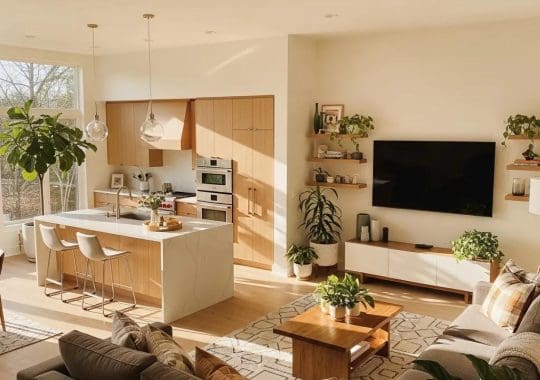
Contemporary trends in Cardiff prioritise openness, daylight and sustainability: open-plan kitchen-diners, generous glazing that connects to gardens, and minimalist exterior palettes that sit well behind period elevations. Flat-roofed rear extensions with level thresholds and bi-fold or sliding doors create seamless indoor-outdoor living, while lightweight steel frames enable larger spans and flexible interiors. Sustainability features — high-performance insulation, mechanical ventilation with heat recovery where appropriate, and lower-embodied-carbon materials — are increasingly common to cut lifecycle impact and running costs.
When applying these trends in Pontcanna, designers balance visual impact with conservation constraints, often choosing a restrained contemporary language that boosts light and flow without overpowering the original building.
How Can You Maximise Property Value with a House Extension in Pontcanna?
Extensions add value when they increase usable, well-specified living space that aligns with buyer expectations in Pontcanna — especially family-sized accommodation and improved kitchen-diner configurations. High-return projects typically include well-executed kitchen-diners, an extra bedroom and bathroom from a double-storey extension, and loft conversions that add bedroom space without reducing garden size. Finish quality, seamless integration with the existing property and full regulatory compliance all affect resale value; poorly executed or unapproved work can deter buyers and complicate future sales. For a wider look at how upgrades land with buyers, our guide on how home renovations in Cardiff can boost property value sets out which improvements typically deliver the strongest returns.
Value-adding priorities to consider:
- Functional layouts: Open-plan ground floors with good natural light and flow to the garden.
- Quality finishes: Durable kitchens, bathrooms and engineered joinery that appeal to buyers.
- Compliance & certification: Proper approvals and warranties that reassure purchasers.
Focusing on these elements helps ensure an extension improves daily life and maximises capital uplift in Pontcanna’s competitive local market.
Which Extension Types Add the Most Value to Pontcanna Properties?
Certain extension types generally deliver stronger returns because they meet common buyer needs for space and practicality. These include kitchen-diner expansions, extra bedrooms and well-executed loft conversions. A single-storey rear extension that creates a modern kitchen-living area reliably attracts buyers, while adding a bedroom and bathroom via a second storey or loft conversion meets demand for family accommodation. The exact uplift depends on finish quality and local market conditions, but investments in durable finishes, good daylight and thoughtful layouts outperform cosmetic upgrades.
Well-integrated, high-quality work that respects the property’s character and secures necessary approvals is the most dependable route to value uplift.
What Are the Latest Trends That Boost Home Value in Pontcanna?
Trends that increase resale appeal include open-plan living that connects to private gardens, improved energy efficiency to cut running costs, and flexible rooms that double as home offices or guest bedrooms. Buyers place growing value on energy-efficient measures — better insulation and efficient heating — because they lower ongoing costs. Well-planned outdoor space and natural light remain decisive for family buyers. Prioritising timeless, durable finishes over highly personalised choices widens buyer appeal and reduces the risk of over-investing in niche design.
Mixing trend-led upgrades with classic improvements helps the extension attract the widest pool of buyers and supports a stronger return on investment.
How Do You Choose the Right Local Builder or Architect for Your Pontcanna Extension?
Choosing the right local professional is critical for design quality, regulatory compliance and cost control. Prioritise providers with local experience and verifiable examples of similar work. Assess candidates by reviewing projects in Victorian properties, asking for clear itemised quotes and checking client references. Confirm insurance, professional memberships and a willingness to coordinate with structural engineers and building control. For a broader comparison of practices, our guide to top architecture firms in Cardiff and what to look for outlines useful criteria for shortlisting. Compare multiple detailed quotes and ask how each provider manages contracts, variations and timelines to find a partner aligned with your budget and quality expectations.
A compact comparison table to help decide between provider types follows, offering practical questions and qualities to guide selection.
| Service Provider Type | Key Qualities | Questions to Ask |
|---|---|---|
| Architect (independent) | Design expertise, planning experience, technical drawings | Do you have local conservation experience and sample planning applications? |
| Design-and-build firm | Single point of responsibility, coordinated delivery | How do you handle variations and what warranties are included? |
| Specialist extension builder | On-site experience, subcontractor coordination | Can you provide itemised quotes and recent local references? |
This table helps match procurement routes to project needs and frames the key questions to vet each provider type.
What Qualities Should You Look for in Pontcanna Extension Specialists?
Look for a portfolio of completed work on similar Pontcanna properties, clear planning successes, and professional indemnity and public liability insurance. Ask for recent references, examples of similar projects and evidence of building-control compliance. Red flags include one-line quotes without detail, reluctance to share references and unclear change-control processes — these often lead to disputes or extra costs. A reliable specialist will present a clear programme, explain design risks and advise on planning and party-wall matters for terraces and semis.
How Do You Get Accurate Quotes and Secure Contracts for Your Extension?
Accurate quotes come from a clear scope, measured drawings and defined fixtures and finishes. Request itemised proposals that separate design, structural works, materials and allowances so you can compare like-for-like. Contracts should state scope, programme, payment schedule, retention, change-control procedures and warranties to protect both parties. Include a sample scope checklist in quote requests covering demolition, structural works, foundations, drainage, internal finishes and external landscaping — this improves price certainty. Using a structured architecture project process helps align design, tendering and contract stages so costs and responsibilities are clear from the outset.
By insisting on detailed proposals and robust contracts, homeowners reduce ambiguity, control scope creep and keep leverage to ensure quality delivery.
If you’d like help getting comparative, itemised quotes or a contract review, many local providers offer free consultations and no-obligation cost checks; a short design review can clarify likely costs and contract terms before you commit.
Frequently Asked Questions
What are the common challenges faced during the planning application process for house extensions in Pontcanna?
Common challenges include navigating conservation-area rules, preparing detailed plans and supporting statements, and managing neighbour objections that can delay or alter proposals. Early engagement with planning officers and a pre-application enquiry can clarify requirements and reduce the risk of refusal.
How can homeowners ensure their extension complies with energy efficiency standards?
Start with high-quality insulation, energy-efficient windows and appropriate ventilation. Work with an architect or energy assessor to meet current regulations and consider low-energy heating and mechanical ventilation with heat recovery where appropriate. Integrating these measures in the design phase makes regulatory compliance simpler and improves comfort and running costs.
What role do local builders play in the success of a house extension project?
Local builders bring knowledge of regional practices, suppliers and typical site constraints in Pontcanna. Their familiarity with local trades and materials can save time and cost, and experienced builders offer practical on-site problem solving that keeps projects on track and to spec.
What are the benefits of hiring an architect for a house extension in Pontcanna?
An architect provides tailored design that fits your needs and the property’s character, navigates planning requirements and translates regulations into buildable details. They coordinate with builders and engineers, reduce the risk of costly mistakes and help achieve an outcome that adds value and lives well.
How can homeowners assess the quality of work from potential builders or contractors?
Review portfolios for similar projects, check references and client testimonials, and ask about experience with local regulations. Request detailed, itemised quotes and sample contracts to judge transparency and project management. A site visit to a current job or completed project gives the best insight into workmanship and organisation.
What are the implications of not obtaining the necessary planning permissions for an extension?
Undertaking work without required permissions can lead to enforcement action, fines or even the need to remove unapproved work. It can also complicate future sales and mortgage approvals. Always confirm whether planning or building-control approvals are needed before starting work.
What are the key considerations for integrating modern designs into traditional homes in Pontcanna?
Respect scale, proportion and materiality: choose materials that complement the existing building, keep additions in scale with the original, and follow local conservation guidance. Engaging an architect experienced in blending contemporary and period styles helps achieve a cohesive result that satisfies planners and future buyers.
Conclusion
House extensions in Pontcanna can deliver more space and strong value uplift when they’re well designed and built to current regulations. Understanding costs, planning requirements and building control processes — and choosing experienced local architecture firm in Pontcanna — makes the process smoother and protects your investment. If you’re ready to explore options, start with a measured survey and a short planning or design review to clarify likely costs and next steps toward a well-executed extension. When you’re prepared to discuss ideas in detail, contact us to arrange a consultation and outline the best route for your Pontcanna project.