A practical guide to renovating Victorian terraces in Pontcanna: costs, design and local expertise
Pontcanna’s Victorian terraces blend handsome period façades, delicate plasterwork and traditional sash windows with the comforts of modern living. Doing them well means balancing careful conservation, sensible technical upgrades and local know-how. This guide sets out what makes a Pontcanna terrace special, the common structural and regulatory pitfalls homeowners encounter, and clear steps for budgeting, securing consents and delivering sympathetic retrofits that improve comfort and energy performance. Renovation specialists who combine Victorian-era expertise, local Pontcanna experience, conservation-minded techniques and full renovation project managementcan add measurable value — if you’d like practical help, contact our team at Jamatek, one of the leading architecture firms in Cardiff, for a consultation. The article walks through defining features and common defects, how planning and listed-building rules affect work, realistic cost bands and contingency planning, restoration techniques for windows and plaster, sustainability options and a contractor-selection checklist. Throughout, the priority is keeping historic character while bringing building fabric and services up to present-day standards.
What are the key features and challenges of Victorian terraces in Pontcanna?
Pontcanna terraces are usually identified by brick façades, decorative cornices, sash windows, slate roofs and surviving internal plaster mouldings — features that give each house its character and also define the limits of sensitive renovation. Preserving elements such as sash windows, cornices, fireplaces, plasterwork and slate roofs generally yields the greatest heritage benefit, though owners must sometimes decide between careful repair and discreet replacement where fabric is beyond saving. Common technical challenges include poor thermal performance (single glazing and minimal insulation), damp and timber decay, and services that were never designed for modern loads; addressing these reliably requires specialist surveys and breathable materials. Knowing the local architectural language and typical defects helps prioritise interventions and source matching or reclaimed materials, and it naturally leads into the rules that govern permitted changes in Pontcanna.
Which architectural elements define Victorian terraces in Pontcanna?
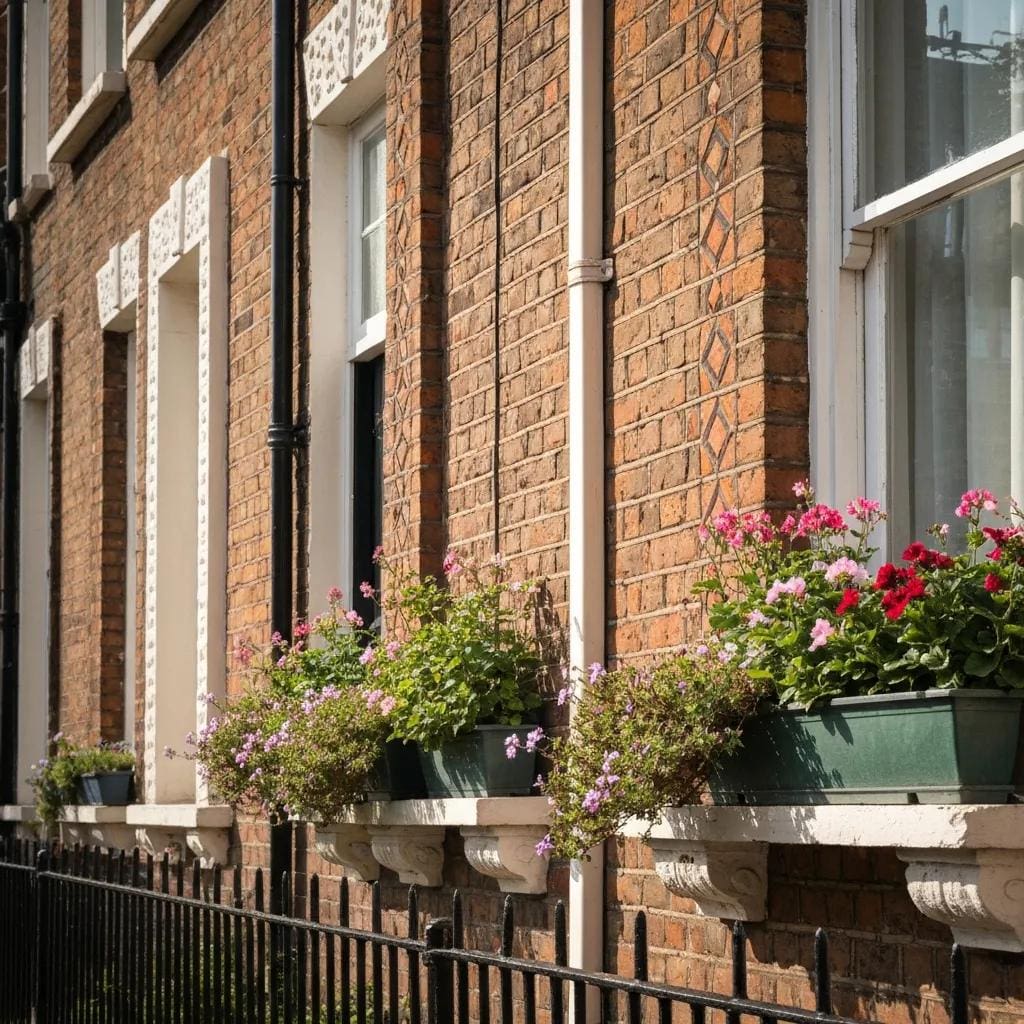
Typical period features include tall, vertically proportioned sash windows, ornate cornices and ceiling roses, occasional decorative bays and original fireplaces that anchor internal rooms. These elements are both historic fabric and the primary targets for conservation work, so a repair-first approach is usually preferable to replacement to retain patina and value. Materials matter: matching brick bonds, slate tiles and lime mortar helps preserve breathability and prevents moisture problems, while reclaimed fixtures can be used where originals cannot be saved. Best practice is to commission a conservation-minded feasibility and condition survey early so repair strategies for these elements are specified before work starts and inform contractor selection.
What common structural and maintenance issues affect Pontcanna Victorian homes?
Common defects include rising and penetrating damp, cold bridging around poorly insulated party walls, timber decay in sills and joists, and services that no longer meet modern standards. These issues often show as flaking paint, white salt deposits on brickwork, musty odours, warped floorboards and flickering lights — signs that should trigger a specialist damp or structural survey. Proper diagnosis (moisture mapping, timber probing and service sampling) should come before invasive repair, because inappropriate modern materials (cement renders or impermeable insulation) can make problems worse. An early survey reduces surprises and supports a phased programme that limits risk while protecting original fabric — which is important when you start to consider planning and conservation constraints.
How do planning permissions and local regulations affect renovations in Pontcanna?
Planning and conservation controls in Pontcanna can influence façades, rooflines, window styles and many extensions; homeowners therefore need to understand conservation area rules, listed-building consent and the limits of permitted development. In practice, conservation status or listing introduces extra consent layers: works affecting character often need approval from Cardiff Council and, in sensitive cases, advice from Cadw. A typical, successful sequence is survey → pre-application advice → detailed application → conditions discharge; early engagement with planning officers reduces delays and strengthens proposals. If you prefer professional help with paperwork and liaison, conservation specialists with Pontcanna experience can prepare stronger applications — contact us if you need assistance. Early clarity on legal status will show whether a project sits within permitted development or requires full planning and possible listed-building consent.
What are the conservation area rules for Victorian terraces in Pontcanna?
Conservation area protections usually restrict changes that would harm a terrace’s external appearance — for example altering window proportions, replacing slate roofs with incompatible coverings or removing decorative brickwork and lime mortar pointing. Practically, external works often need consent and should use matching materials and traditional techniques to preserve the streetscape. Check local character appraisals, supply clear elevations and material samples with any pre-application and avoid irreversible changes without approval to prevent enforcement action. Thorough documentation and repair methods that maintain breathability and historic integrity improve the chances of a smooth planning and conservation submission in Cardiff.
How do you navigate listed building consent and permitted development rights?
Listed building consent differs from planning permission in that it focuses specifically on preserving a building’s special architectural or historic interest and requires evidence that proposed works protect or enhance that interest. Applications typically include measured drawings, a historical rationale and materials specifications. A sensible workflow is to commission a conservation survey, request a pre-application meeting with planning officers, prepare a detailed specification emphasising repair-first methods, and include sample materials and joinery details to speed determination. Permitted development rights in Cardiff are often more limited inside conservation areas, so works that would be PD elsewhere may need permission in Pontcanna — confirming legal status early avoids wasted work. An application grounded in historic research and proper heritage practice improves the chance of approval and reduces the risk of retrospective conditions that delay completion.
What are the typical costs to renovate a Victorian terrace in Pontcanna and the UK?
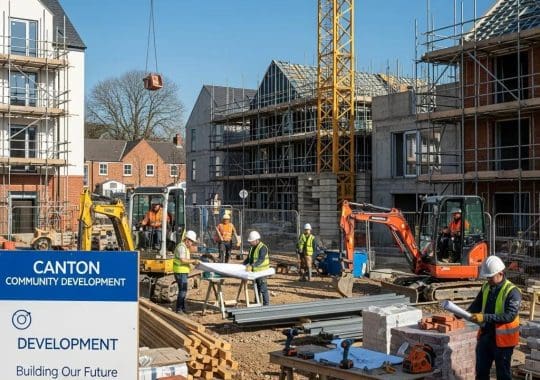
Renovation costs vary with scope, from light refreshes to full strip-outs and programme-managed restorations; up-to-date 2025 per-m² benchmarks give owners a realistic starting point before contractor quotes. Major cost drivers are structural repairs, new services (electrics, heating, plumbing), specialist conservation trades for sash windows and plasterwork, professional fees (architect, structural engineer) and contingency for hidden defects. Plan budgets with clear bands for light, mid and full renovations and allow 10–20% contingency, because period properties commonly reveal latent issues once work begins. For Pontcanna owners, reviewing a dedicated Cardiff renovation budget breakdown can help refine expectations before commissioning detailed quotes. The compact comparison below provides initial feasibility ranges.
Introductory note: the table compares typical renovation scales and shows per-square-metre indicators and example scopes to help early budgeting before detailed contractor estimates.
| Renovation Scale | Per m² Indicative Cost | Typical Total Range & Scope |
|---|---|---|
| Light refurbishment | £1,500–£2,000 | Cosmetic updates, new kitchen/bath, decorating; limited structural work |
| Mid renovation | £2,000–£2,500 | Service upgrades, partial structural works, window repairs, insulation improvements |
| Full renovation | £2,500–£3,000+ | Strip-out, structural repair, full services replacement, extension/loft conversion possible |
How is the cost breakdown structured by renovation type and project scale?
Costs typically split across structure and fabric, services, finishes, professional fees and specialist conservation work, with each category taking a predictable share depending on project scale. A rough split might be 25–35% on structure and major remedials, 20–30% on mechanical & electrical services, 15–25% on finishes, and 10–15% on professional fees and specialist conservation trades. Knowing which workstreams are conservation-sensitive — sash window restoration and lime plaster repairs, for example — helps prioritise expenditure that protects value. Ask contractors to itemise workstreams so you can phase delivery and control contingency more tightly.
Why is contingency planning essential for Victorian renovations?
A 10–20% contingency is prudent because hidden issues — concealed rot, subsidence that needs underpinning or historic asbestos — often emerge when works expose original fabric and can materially affect programme and cost. Practical contingency planning uses staged investigations (trial openings, selective strip-outs) to reduce surprises and sets decision thresholds for additional spend. Managing contingencies requires transparent reporting, options for value engineering and clear prioritisation of works that protect historic fabric while deferring non-urgent upgrades. Formal client–contractor change-control and reporting routines help keep projects on track and limit disputes.
How can you restore and modernise Victorian interiors while preserving original features?
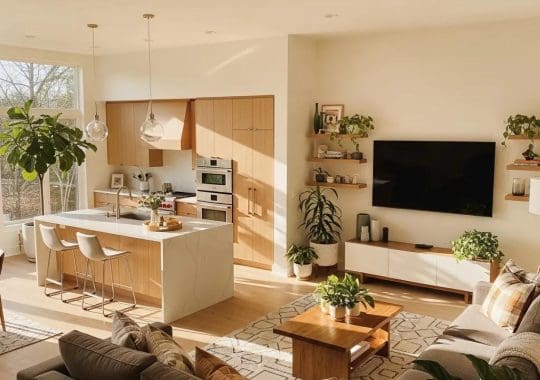
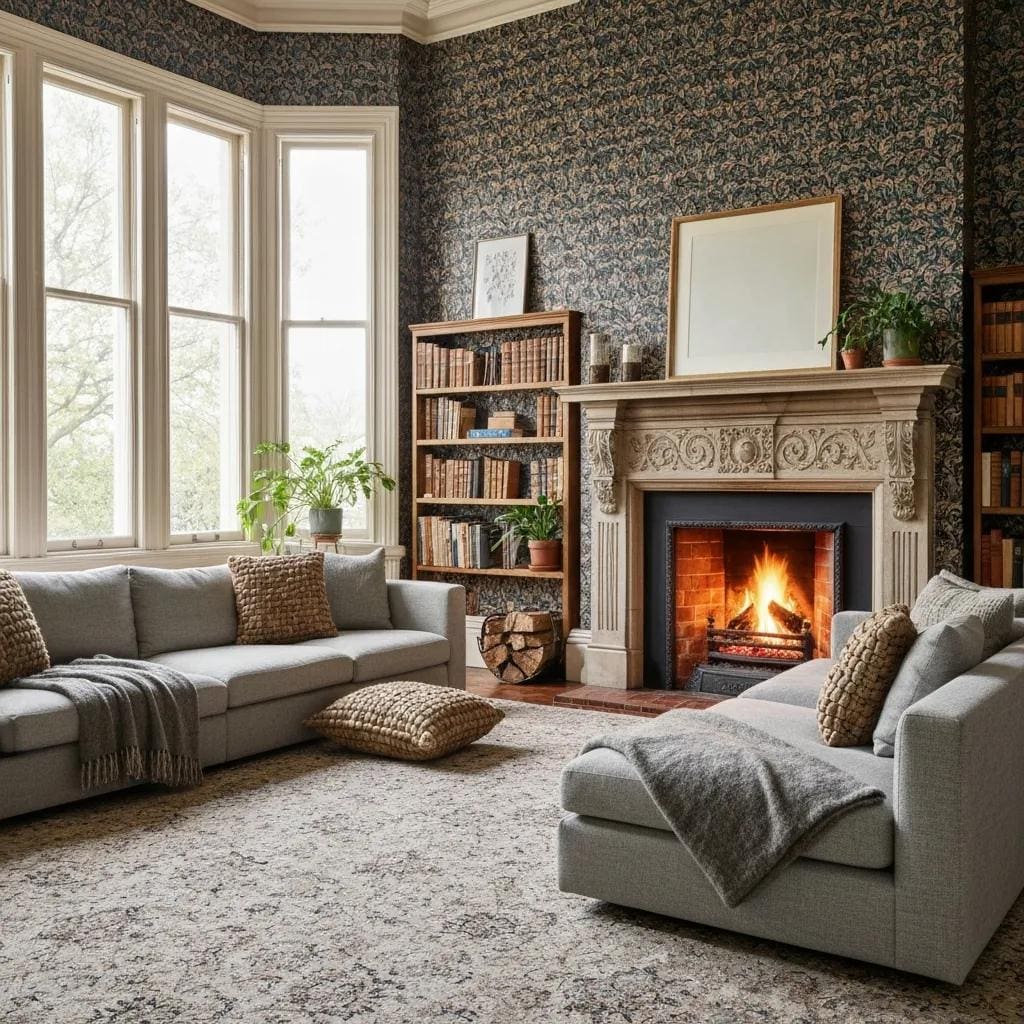
Good interior restoration pairs conservation techniques for historic elements with discreet modern interventions that improve thermal comfort, services and day-to-day usability without compromising character. The guiding principle is repair-first for elements such as sash windows and cornices, using breathable insulation and lime-based finishes to maintain moisture equilibrium, and placing modern kitchens and bathrooms sensitively within period proportions. Owners should weigh repair against replacement where necessary and hire trades experienced in heritage repair to ensure longevity and authenticity. The table below summarises common features, recommended approaches and indicative cost notes to help prioritise work, and aligns with our wider approach to residential design in Cardiff’s period homes.
Introductory note: this table compares typical feature types with recommended restoration approaches and indicative cost implications to inform decisions.
| Feature | Condition & Priority | Recommended Approach / Material | Indicative Cost Consideration |
|---|---|---|---|
| Sash windows | Often drafty or decayed | Repair sash, replace cords, draught-proofing, refurbish timber with linseed-oil paints | Moderate; repair retains value |
| Fireplaces | Structural or cosmetic damage | Stabilise hearth, re-line flues, conserve surrounds, use reclaimed tiles/stone | Variable; can be specialist |
| Cornices & plasterwork | Cracks or loss | Lime-based plaster repairs by specialist stuccoers, replicate mouldings where lost | Higher per m² due to skill required |
What are effective methods to restore sash windows, fireplaces and cornices?
Sash windows often respond well to targeted timber repair, replacement of cords, use of heritage glazing putty or slim double-glazing units designed for conservation, and draught-proofing that preserves sightlines; full replacement should be a last resort and, if necessary, match original profiles. Fireplaces and chimneys need careful inspection and, where required, flue-lining to meet modern safety standards while conserving mantels and surrounds; specialist masons can match original tiles or stone. Cornices and plaster mouldings are best repaired with lime-based methods using accurate moulds and patching techniques to retain character. Engaging trades with a conservation background early lets you sequence specialist work correctly and protect the elements that matter most to a terrace’s appeal.
How to blend Victorian charm with modern interior design ideas in Pontcanna?
Successful schemes respect original proportions, keep key period focal points (fireplaces, bay windows) and introduce modern systems and finishes that read as contemporary but unobtrusive — recessed lighting, slim-profile radiators and fitted kitchens aligned with cornice heights are good examples. Colour palettes that combine muted heritage tones with natural timber and brass accents suit Pontcanna homes, while any open-plan changes should preserve circulation and room scale so new openings don’t overwhelm original hierarchy. Practical upgrades such as underfloor insulation and discreet mechanical ventilation with heat recovery boost comfort without visible intrusion. Always test design moves against conservation advice and, where appropriate, use reclaimed or locally sourced materials to maintain visual continuity.
What sustainable renovation solutions are suitable for Victorian terraces in Pontcanna?
Sustainable upgrades for period terraces focus on breathable insulation, measured airtightness improvements, efficient heating systems and selective solar where roof aspect and conservation rules allow — avoiding vapour-tight solutions that can harm historic fabric. The aim is better energy performance and lower emissions while preserving the building’s natural moisture management; breathable materials such as wood-fibre, sheep’s wool and lime-based renders are often the right choice for insulation and façade repair. Heat pumps, targeted solar PV and upgraded boilers can deliver genuine running-cost savings, but each measure has site-specific considerations (roof orientation, space for equipment and planning constraints). The table below summarises common options, benefits and key considerations for Victorian properties, and reflects the principles we set out in our wider work on sustainable architecture in Cardiff.
Introductory note: the table helps homeowners weigh sustainability measures against conservation constraints and practical installation considerations.
| Measure / Upgrade | Benefit | Considerations for Period Properties |
|---|---|---|
| Breathable wall insulation (e.g., wood fibre) | Improved thermal comfort without trapping moisture | Requires careful detailing to preserve vapour permeability |
| Heat pumps (air-source / ground-source) | Major efficiency gains and lower running costs | Space for units, noise and potential need for larger radiators |
| Solar PV | Reduce grid electricity demand and running costs | Roof suitability, conservation area sensitivity and visual impact |
Which eco-friendly materials and insulation options work best for period properties?
Choose materials that allow moisture to move — sheep’s wool, wood-fibre boards and lime-based internal or external plasters — because they reduce the risk of trapped moisture and timber decay and align with conservation principles. For floors and roofs, targeted insulation that doesn’t seal the fabric against moisture, combined with vapour-permeable membranes where needed, gives thermal gains while keeping the building healthy. Any airtightness improvements should be paired with controlled ventilation to protect indoor air quality and prevent condensation. Specifying breathable, low-VOC materials and sympathetic finishes supports both heritage value and long-term durability.
Reconciling Conservation and Sustainability in Historic Settlements
Although guidance exists for both conservation and sustainable building, practical tests are limited on how to apply both agendas together in historic places. This research shows that conservation and sustainability sometimes emphasise different priorities but can be integrated to produce well-balanced design practice. The study developed a design framework and a point-based assessment tool, then tested them across hypothetical domestic cases to see how physical conditions influence building form and performance. The findings indicate that reconciliation is achievable — but tensions remain in certain design areas, so a holistic approach is essential.
The historic settlement: Reconciling conservation and environmental sustainability through design, 2018
How can energy-efficient heating and solar panels improve sustainability?
Switching to efficient heating — high-efficiency boilers or appropriately specified heat pumps — lowers energy use and running costs, while solar PV can offset electricity consumption when roof aspect and planning allow. Practical viability depends on roof orientation, space for condensers or panels and conservation limits on visible changes; discreet siting and low-profile mounting can help secure approvals. Grants or local incentives may occasionally be available to support low-carbon measures, and whole-house modelling will show whether interventions are cost-effective and won’t introduce moisture risks.
How do you choose the right renovation contractor in Pontcanna for Victorian terraces?
Choose contractors who demonstrate conservation experience, local Pontcanna knowledge, strong project management and transparent communication about programme and budget — these factors materially influence outcome quality and planning success. Local firms with established relationships with Cardiff Council officers and familiarity with Cadw guidance can often move consents more smoothly and source suitable reclaimed materials from regional suppliers. Vetting should include checking insurance and warranties, reviewing case studies of similar work, and ensuring access to trades skilled in sash window repair, lime plastering and slate roofing. The practical questions checklist below helps assess competence and fit, and you may also want to review the scope of our own residential architectural services in Cardiff when comparing options.
Introductory note: the checklist gives essential questions to ask prospective contractors when selecting specialists for period-property work.
- Can you provide recent examples of conservation-led work on Victorian terraces and references we can contact?
- How do you diagnose and manage damp or timber decay in period properties?
- Which specialist trades do you employ directly and which do you subcontract for sash windows, lime plastering and roofing?
- How do you handle planning applications, listed-building consent and communications with local planning officers?
- What warranty do you provide on conservation repairs and on new services installations?
- How will you stage works to protect original features and allow phased decision-making?
- What contingency controls do you use and how do you report unforeseen items?
- How do you approach sustainability measures while preserving historic fabric?
What questions should you ask when hiring a Victorian renovation specialist?
When interviewing specialists, ask for demonstrable case studies that show sympathetic restorations, details about the trades they use and how they manage planning consents and conservation reporting — these answers reveal real capability. Clarify contractual terms, change-control procedures and whether the contractor manages warranties and aftercare for conservation work to protect your investment. Prefer teams that adopt a repair-first approach, specify breathable materials and can provide method statements for tasks like sash window restoration and lime plaster repair. References to local suppliers, direct experience liaising with Cardiff officers and examples of successful consents signal a contractor well attuned to Pontcanna’s context.
Why is local knowledge of Pontcanna’s architecture and regulations crucial?
Local knowledge speeds planning negotiations, helps source matching materials and skilled trades, and ensures design choices respect street character and planning officer expectations — reducing rework and enforcement risk. Contractors experienced in Pontcanna can advise on typical street constraints, common conservation officer preferences and material choices that sit comfortably in the neighbourhood, which strengthens applications. Verify local experience through references, recent project photos and, where possible, direct officer contacts; teams that can show a track record of sympathetic restoration are more likely to deliver a successful outcome.
Frequently asked questions
What are the benefits of using sustainable materials in Victorian renovations?
Using sustainable, breathable materials improves energy performance while protecting historic fabric. Products like wood-fibre insulation and lime-based plasters let moisture move through the wall, reducing damp risks and preserving original materials. They also tend to have lower embodied impacts and, over time, can deliver running-cost savings — a practical choice for owners who want to modernise without compromising heritage.
How can I ensure my renovation project stays within budget?
Start with a clear financial plan that breaks costs down by phase and include a 10–20% contingency for surprises. Commission early surveys to identify likely defects, use a staged procurement strategy and ask contractors to price workstreams separately so you can phase delivery. Regular, open communication with your contractor and agreed change-control procedures are essential to keep budget and programme on track.
What are the common mistakes to avoid when renovating a Victorian terrace?
Common mistakes include removing original features unnecessarily, using impermeable modern materials (cement renders, vapour-tight insulation) and underestimating planning or listed-building requirements. Avoid knee-jerk replacement: a repair-first mindset preserves value. Engage conservation specialists early and follow local guidance to prevent delays, extra costs and damage to historic fabric.
How can I improve the energy efficiency of my Victorian terrace?
Improve energy efficiency with breathable insulation, targeted draught-proofing, upgraded heating systems and controlled ventilation. Choose materials that allow moisture to escape, such as wood-fibre or sheep’s wool, and pair airtightness work with mechanical ventilation where needed. Heat pumps and solar PV can be effective, but assess site-specific constraints and planning implications before committing.
What role does local expertise play in the renovation process?
Local expertise is vital. Contractors and consultants who know Pontcanna understand typical defects, common officer preferences and where to source matching materials locally. That knowledge can speed consents, reduce design iterations and result in repairs that sit comfortably within the street scene — all of which save time and money in the long run.
What should I consider when choosing a contractor for my renovation?
Look for proven experience with conservation-led projects, strong references, appropriate insurance and warranties, and a transparent approach to programme, budget and contingency. Check for direct access to specialist trades (sash window repair, lime plastering, slate roofing) and examples of successful planning liaison. A collaborative contractor who documents methods and aftercare will give you the best chance of a durable, sympathetic renovation.
Conclusion
Renovating a Victorian terrace in Pontcanna is an opportunity to retain the area’s distinctive character while upgrading homes for comfort and efficiency. By understanding the building’s key features, likely defects, local planning considerations and suitable sustainability measures, homeowners can make informed decisions that protect both heritage and performance. Working with local, conservation-minded experts will streamline the process and reduce risk. For tailored advice on your project, we can help you plan, specify and deliver a sympathetic renovation that stands the test of time. Looking for an architecture firm in Roath contact us.