Updating a Dinas Powys Home: Practical Design Ideas to Improve Space, Light and Flow
Many homes in Dinas Powys—especially older terraces and semi-detached houses—struggle with limited floor area and muted daylight. This guide walks you through practical design solutions—from house extensions and loft or garage conversions to targeted interior work—that increase usable space, bring in more natural light and improve how rooms flow together. We explain which extension and conversion types suit local plots, which interior moves give the fastest visual impact, and when planning permission or building regulations typically apply in the Vale of Glamorgan. You’ll find step-by-step choices, trade-offs, structural considerations, the professionals to hire and the sustainable trends to consider in 2024. If you’re looking for tailored support locally, our Dinas Powys architecture services page explains how we help homeowners plan, design and deliver renovations with confidence.
How can you maximise space with house extensions in Dinas Powys?
An extension adds usable floor area by attaching new, purpose-designed space to your existing home—either by increasing the footprint or by altering volume and circulation to create larger, continuous living zones. Extensions are a popular alternative to moving because they add square metres without changing location, and when paired with thoughtful glazing and roofline decisions they can noticeably improve daylight and movement through the house. Common options for Dinas Powys properties include rear extensions, side-return infills, wrap-around plans and contemporary glass-led additions. If you want a broader overview of options and layout ideas, see our guide to practical home extension concepts. The sections that follow compare these options, flag typical local planning and structural issues, and explain when a site appraisal is a sensible next step so you can better weigh cost, disruption and daylight gains before commissioning designs.
What types of house extensions suit Dinas Powys homes?
Rear extensions work well for many 1930s and post-war semis by pushing the kitchen and dining into the garden footprint to create open, family-friendly ground floors. Side-return extensions reclaim narrow side corridors to improve circulation and add practical space with minimal street impact. Wrap-around extensions combine rear and side builds to create larger kitchen-diner zones with a strong garden connection, though they can be more complex structurally and administratively. Single-storey glass or contemporary additions use wide glazing and low rooflines to flood interiors with daylight and strengthen indoor–outdoor flow—ideal when natural light is a top priority. If you’re comparing approaches, our home extensions service page outlines the routes we typically recommend depending on plot, orientation and budget. Each option leads to decisions about structural support and glazing quality that directly affect light and flow later in the design process.
Quick comparison of typical extension types and how they affect space, cost and daylight.
| Extension Type | Typical Benefit | Typical Considerations |
|---|---|---|
| Rear extension | More kitchen/dining and family area | Moderate cost, reduces garden space, suits many semis |
| Side-return extension | Reclaims narrow side space to improve circulation | Good for terraces/narrow plots; careful structural joining needed |
| Wrap-around extension | Creates a large open plan with strong garden link | Higher cost, more planning and party-wall coordination |
| Glass / modern extension | Maximises daylight and indoor-outdoor flow | Needs quality glazing and thermal detailing |
How do extensions enhance space and natural light?
Extensions change how a home feels by opening sightlines, removing unnecessary partitions and unifying ceiling planes; adding large glazed panels and well-placed rooflights turns extra volume into real daylight gains. In short: more glazed area and fewer internal walls let light travel further, while rooflights brighten central zones that would otherwise stay dim. Details such as low-sill windows, bifold doors and light-reflective internal finishes increase daylight penetration and make rooms feel larger than their footprint. If you’re budgeting for build costs, our article on house extension costs breaks down what typically affects spend and value. Careful attention to orientation, glazing specification and threshold design ensures the extension improves both the physical space and perceived brightness—important factors when planning cost and programme for Dinas Powys projects.
If you’d like to explore feasibility and indicative costs, get in touch for a free site appraisal or consultation.
What are the best loft and garage conversion ideas in Dinas Powys?
Loft and garage conversions add usable rooms by reworking existing building volume—altering roof geometry or remodelling garage slabs and thresholds to create bedrooms, home offices or leisure spaces without changing the footprint. Loft conversions are often cost-effective where headroom and roof structure allow, delivering bedrooms or workspaces with limited garden disruption. Garage conversions create accessible ground-floor living that’s well integrated with the house, but they need careful attention to thresholds, drainage and insulation to be comfortable year-round. Below we compare common conversion types, typical uses and structural considerations, and explain when conversions give better cost-to-space value than extensions.
Which loft conversion styles work best for Dinas Powys properties?

Dormer loft conversions create extra headroom and floor area by extending a vertical face from the roof, making them a strong choice for many Victorian and interwar homes needing additional bedrooms. Hip-to-gable conversions work well on semi-detached houses with hipped roofs, offering significant extra volume where a sloping side roof limits space—useful for families wanting two extra rooms or a larger master suite. Rooflight-only (Velux) conversions keep the external profile minimal while bringing daylight into stairwells and smaller attic projects—ideal if you prefer subtle external change. Before you commit to drawings, it’s worth checking whether planning permission is required for loft conversions in your specific situation. Each style varies in complexity and cost: dormers can trigger planning checks in sensitive areas, hip-to-gable needs more structural work, and rooflight options are the least invasive.
Brief comparison of loft conversion types and common uses.
| Conversion Type | Common Use | Structural Impact |
|---|---|---|
| Dormer | Extra bedrooms and headroom | Moderate structural work; possible party-wall issues |
| Hip-to-gable | Larger bedroom suites | Significant roof reconfiguration and reinforcement |
| Rooflight-only | Storage, study or small rooms | Minimal external change; less structural work |
How can garage conversions improve home flow and usability?

Converting a garage into a room repurposes underused vehicle space into practical living zones—home offices, studios or annexes—by raising floors, upgrading insulation and integrating services. The work usually involves regrading thresholds for level internal transitions, addressing drainage and adding ventilation and insulation to meet building regulations standards. The key is to ensure the converted space performs like any other habitable room in terms of warmth, moisture control and safety. If you’re weighing compliance and approvals, this guide on planning permission for garage conversions covers the most common triggers. Practical points include relocating drains, installing to current thermal standards and choosing external finishes that sit well with the existing building. Done properly, a garage conversion becomes a seamless part of daily life, improving usability while avoiding the higher cost and disruption of a full extension.
If you want personalised advice on conversions, contact us for a free site appraisal or consultation.
How does interior design enhance light and flow in Dinas Powys homes?
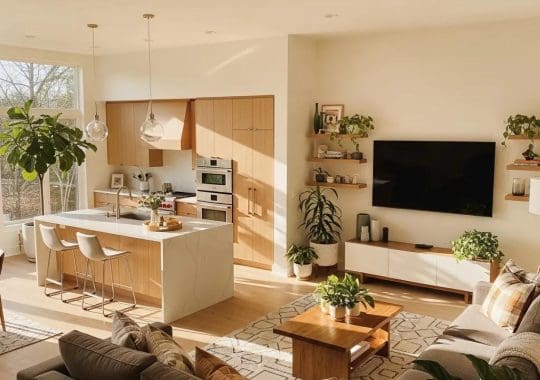
Good interior design boosts light and flow through colour, finishes, fittings and layout choices that spread daylight and simplify movement—making rooms feel brighter and more connected. The method is straightforward: increase reflected light, remove unnecessary partitions and arrange circulation so movement between spaces is clear and effortless. Simple interventions—lowering sill heights, using reflective paint or pale floor finishes, and installing glazed internal doors—deliver measurable gains in perceived space and brightness. If you’re planning a wider transformation, our overview of home renovation services explains how interior, structural and compliance decisions come together. This section lists quick wins and layout strategies you can implement without major structural work, and prepares you for the more detailed tactics that follow.
What interior design strategies maximise natural light?
Pale, reflective paints in satin or eggshell finish bounce daylight deeper into rooms; looking at the light reflectance value (LRV) of paints helps you choose colours that enhance brightness. Mirrors and glazed internal doors extend sightlines and share light between spaces, while slimline window treatments let in maximum daylight without losing privacy. Where possible, add rooflights in single-storey rear spaces and choose high-performance glazing to reduce heat loss while boosting light. If structural change isn’t an option, simple moves—repositioning furniture to clear sightlines and adding mirrored focal points—produce immediate improvements. These measures are practical, affordable and usually reversible, making them good first steps for homeowners wanting quick results.
Interior design changes naturally lead into layout tweaks that open up circulation; the next subsection covers open-plan approaches.
How can open-plan layouts improve spatial flow?
Open-plan layouts improve flow by removing non-loadbearing partitions and creating continuous floor surfaces, allowing daylight and movement to pass through larger zones. The practical approach is to identify which walls are structural, insert sympathetic support where needed, and use furniture or floor finishes to define zones without full enclosure. Zoning tools—rugs, low shelving and changes in ceiling treatment—keep privacy while maintaining openness, and planning sightlines ensures main circulation routes stay clear. Thoughtful open-plan design links better daylight performance with easier everyday movement and stronger family interaction.
What planning permissions and regulations affect renovations in Dinas Powys?
Planning permission and building regulations set the rules for altering properties in Dinas Powys. The Vale of Glamorgan Council planning department applies local policy alongside national permitted development rights and conservation rules, so understanding both helps avoid delays. Planning covers use and external appearance, while building regulations cover structural safety, thermal performance and fire protection—both are likely to be involved at different stages. Common triggers for planning include raising roof height, significant changes to the main elevation, works in conservation areas or listed building status; building regulations apply whenever you create new habitable space. If you want a clear overview of the process, our planning permissions service page sets out how we support clients from early checks through to submission.
When is planning permission required for extensions and conversions?
Planning permission is typically needed when proposals exceed permitted development limits, involve raising rooflines, project beyond prescribed distances from boundaries, or affect listed buildings or conservation areas. Councils focus on neighbour amenity and visual impact. If you’re unsure where you stand, this page explains whether extensions typically require planning permission (many principles carry over locally, but site specifics still matter). Check whether changes to footprint, height or external materials will trigger a full application, and whether past alterations have removed householder permitted development rights for your property—this technical guidance on permitted development rights for householders gives a useful national overview. To avoid delays, it’s also worth reviewing common planning permission pitfalls before you commit to drawings. A simple self-check covers roof height changes, projection beyond boundaries, number of storeys added and conservation/listed status before you commit to design. Getting early advice from a planning consultant reduces the risk of refusal and smooths the route to building regulation compliance.
Summary table showing common project types, whether permission is usually needed and the council considerations.
| Project Type | Planning Permission Required? | Typical Council Considerations |
|---|---|---|
| Single-storey rear extension (within PD limits) | Often not required | Neighbour impact and rear projection |
| Two-storey extensions | Usually required | Scale, overlooking and street scene impact |
| Loft conversion with dormer | Sometimes permitted; case-by-case | Roofline change and conservation area rules |
| Garage conversion (internal only) | Typically not required | External alterations may trigger permission |
How to navigate building regulations for home renovations?
Building regulations require approved plans, inspections at key stages and a completion certificate to show compliance with structural, thermal and fire safety standards. A practical four-step route is: prepare technical drawings, submit to building control, schedule inspections during foundations/structural work and at completion, and obtain the completion certificate. Typical conversion issues include adequate insulation, fire-stopping between units and compliant stair geometry for lofts—address these early to avoid costly retrofits. For complex structural changes, having an architect lead the technical package can save time and mistakes—here’s a helpful breakdown on whether you need an architect for an extension.
If you’d like help navigating the Vale of Glamorgan process, contact us for a free site appraisal or consultation.
Who are the key professionals for successful home renovations in Dinas Powys?
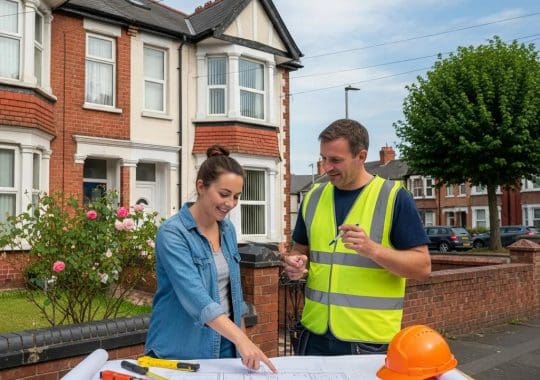
Successful projects are collaborative: an architect to lead design and planning, a structural engineer for load calculations, a trusted contractor to build, and an interior designer to refine layouts and finishes. Architects test feasibility, prepare planning drawings and liaise with planning consultants; structural engineers detail beams, foundations and load-bearing work; builders turn drawings into reality while managing trades, timelines and on-site compliance; and interior designers ensure the finished space functions well and feels right. If you’re deciding who to appoint first, this article on choosing between an architect or builder is a useful starting point. Knowing these roles helps you appoint the right people at the right stage and understand how responsibilities are handed over during delivery.
What roles do architects and builders play in renovation projects?
Architects drive design development, create planning and technical drawings, and interpret local policy to maximise approval chances while preserving design intent. Builders take those drawings into the construction phase, sourcing materials, coordinating trades, managing health and safety and delivering to specification and building regulations. Structural engineers support both teams where openings or load-bearing changes are needed, producing calculations and details that builders implement. This sequence clarifies when each professional is most valuable during a project timeline.
Choosing the right team influences the interior outcome; the next subsection explains designer deliverables and coordination steps.
How can interior designers optimise space, light, and flow?
Interior designers translate architectural volumes into practical, light-optimised rooms through space plans, lighting strategies and finish schedules aligned with circulation. Typical deliverables include furniture layouts, layered lighting schemes (ambient, task, accent), colour and finish palettes and coordination with the contractor to protect the design during build-out. Designers also advise on window treatments, reflective surfaces and storage solutions that reduce clutter and preserve sightlines, directly improving perceived space. Close coordination between designer and contractor during fit-out ensures the quality, light performance and flow you expect on completion.
What are the latest trends and sustainable practices in Dinas Powys home renovations?
Current renovation trends in Dinas Powys favour open-plan living, more glazing for daylight and stronger connections to the garden, while sustainable practice focuses on insulation upgrades, better glazing and low-VOC finishes to cut energy use and improve indoor air quality. These measures work together: improved insulation and high-performance glass reduce running costs, while larger glazed connections boost daylight and occupant wellbeing. Homeowners increasingly choose retrofit measures that provide long-term value—better airtightness, heating upgrades and sustainable materials that balance embodied carbon with durability. If sustainability is a priority, our sustainable architecture and design page outlines practical approaches for residential projects.
How are sustainable materials and energy efficiency integrated?
Sustainable renovation typically includes upgrading loft and cavity insulation, addressing thermal bridging and specifying high-performance double or triple glazing to cut heat loss. Independent organisations such as the Energy Saving Trust provide useful guidance on improving loft and wall insulation performance. Ventilation options such as mechanical ventilation with heat recovery (MVHR) keep indoor air fresh while retaining warmth, and low-VOC paints and responsibly sourced finishes improve indoor health. Renewable heating—efficient boilers or heat pumps—pairs well with insulation improvements to lower running costs. Combining these actions during an extension or conversion is often the most cost-effective time to raise whole-house performance.
Practical retrofit checklist:
- Improve loft and wall insulation to reduce heat loss, following recognised loft insulation depth recommendations.
- Specify high-performance glazing and add rooflights where appropriate.
- Choose ventilation and heating upgrades that suit the building fabric.
What renovation trends are popular among Dinas Powys homeowners?
Popular moves include kitchen-diner extensions for indoor-outdoor living, dedicated home working spaces created from lofts or garages, and the use of rooflights and glazed doors to maximise daylight and garden views. Biophilic touches—natural materials, indoor planting and timber details—are common to add warmth and wellbeing. Homeowners also favour flexible spaces that support multifunctional use, such as fold-away workstations and sliding partitions, so rooms adapt as needs change. These trends reflect a local preference for balancing modern living with respect for neighbourhood character and long-term value.
For tailored advice, a quote or to book a consultation, contact Jamatekfor a free site appraisal or consultation.
Frequently Asked Questions
What are the benefits of using biophilic design in home renovations?
Biophilic design brings natural elements into the home—plants, natural materials and generous windows—to improve wellbeing and connect occupants with the outdoors. In Dinas Powys, that often means framed garden views, timber finishes and more planting inside. The benefits include better mood, improved air quality and a more restful atmosphere, all while creating a visually warm and contemporary interior.
How can I ensure my renovation project stays within budget?
Start with a realistic budget that includes materials, labour, fees and contingency. Prioritise the must-haves and consider phased delivery to spread costs. Appoint professionals early to identify hidden issues and get multiple detailed quotes from contractors. Clear briefs and regular cost reviews during design and procurement reduce surprises and keep the project on track. If you’re estimating total spend, our guide to budgeting for a full home remodel is a practical reference.
What are the common pitfalls to avoid during home renovations?
Common pitfalls include underestimating costs, skipping necessary permissions, and not planning for disruption. Also avoid hiring contractors without checking references or qualifications. To reduce risk, do your research, create a thorough project plan, get early technical advice and maintain clear communication with your team throughout the build. You may also want to review top mistakes when designing an extension before you start.
How can I improve energy efficiency in my home renovation?
Focus on the building fabric first: upgrade insulation, fit high-performance windows and seal thermal bridges. Consider efficient heating systems—modern boilers or heat pumps—and ventilation solutions like MVHR. Use energy-efficient appliances and consider renewables such as solar where appropriate. These steps cut running costs and improve comfort.
What role does lighting play in home renovations?
Lighting shapes both function and mood. A balanced mix of ambient, task and accent lighting makes rooms work for day-to-day life, while natural light improves perceived space and wellbeing. Where possible, increase natural light with larger windows or skylights and layer artificial lighting to suit different activities and times of day.
How can I choose the right professionals for my renovation project?
Look for local architects, builders and interior designers with relevant experience in Dinas Powys. Check portfolios, qualifications and client testimonials, and interview candidates to assess communication and fit. Make sure they understand your brief and budget, and agree deliverables and responsibilities in writing before work starts. For a clearer picture of how the process typically runs, see our design and build process page.
What are the advantages of open-plan living in home renovations?
Open-plan living improves circulation, increases natural light and creates flexible, sociable spaces. By removing non-loadbearing walls and using subtle zoning (rugs, low shelving, ceiling changes), you can retain privacy while making smaller homes feel bigger and more connected—ideal for modern family life.
Conclusion
Updating a Dinas Powys home with targeted design moves can make a big difference to space, light and daily flow. By understanding extension and conversion options alongside simple interior strategies and regulatory checkpoints, you can prioritise the interventions that deliver the most comfort and long-term value. If you’d like personalised guidance or a free site appraisal, contact us today—we’ll help you plan the right next steps for your home.