Transform Your Cardiff Garage: Your Guide to Planning, Design, and Value
Is your Cardiff garage sitting empty, a wasted space with potential? Many homeowners hold off on conversions because of worries about permission, regulations, and costs. With a clear understanding of what’s typically allowed, how Building Control works, and a sensible design approach, a garage conversion can become a practical home office, guest room, gym, or playroom — often with less disruption than a full extension. If you’re weighing up different ways to add space, our main guide tohome extensions can help you compare the routes before you commit.
Do You Need Planning Permission for a Garage Conversion in Cardiff?
In many cases, converting a garage can be treated as internal works, meaning you may not need a full planning application if you’re not increasing the footprint and the external appearance isn’t materially changed. Where homeowners get caught out is when the proposal starts to look and behave more like an extension (new openings, big façade changes, roof alterations, or changes in parking provision). If you’re unsure whether your conversion qualifies, our guide on planning permission for garage conversions covers the most common triggers.
If you want written confirmation that your conversion is lawful (especially useful for buyers, lenders, and future sales), you can apply for a Lawful Development Certificate. If your works involve a shared wall or excavation close to a neighbouring structure, a party wall process may also be relevant — this overview from the FMB explains party wall agreements and when they come into play.
What Are Permitted Development Rights for Garage Conversions in Cardiff?
Where permitted development is relevant, it typically hinges on keeping the conversion within the existing envelope and avoiding major external alterations. In practical terms, that usually means:
- No extension beyond the existing footprint.
- No roof changes that materially alter the building’s form.
- External finishes that blend with the existing house where visible.
If you’re comparing a garage conversion against extending to the rear/side, it can be worth reading up on when extensions need planning permission — the triggers are often similar once the outside of the home is changing.
When Is Planning Permission Essential for Garage Conversions?
You’ll usually need planning permission if your project:
- Extends beyond the garage’s current footprint (turning it into a hybrid conversion/extension).
- Makes prominent external changes to elevations facing a street.
- Is affected by restrictions such as Conservation Area controls or a listed building context.
- Creates a separate dwelling/annexe with independent facilities (depending on how it’s set up).
If your conversion is part of a wider plan (for example: conversion now, extension later), it helps to map the whole strategy early so you don’t accidentally design yourself into a planning corner.
How to Apply for Planning Permission with Cardiff Council?
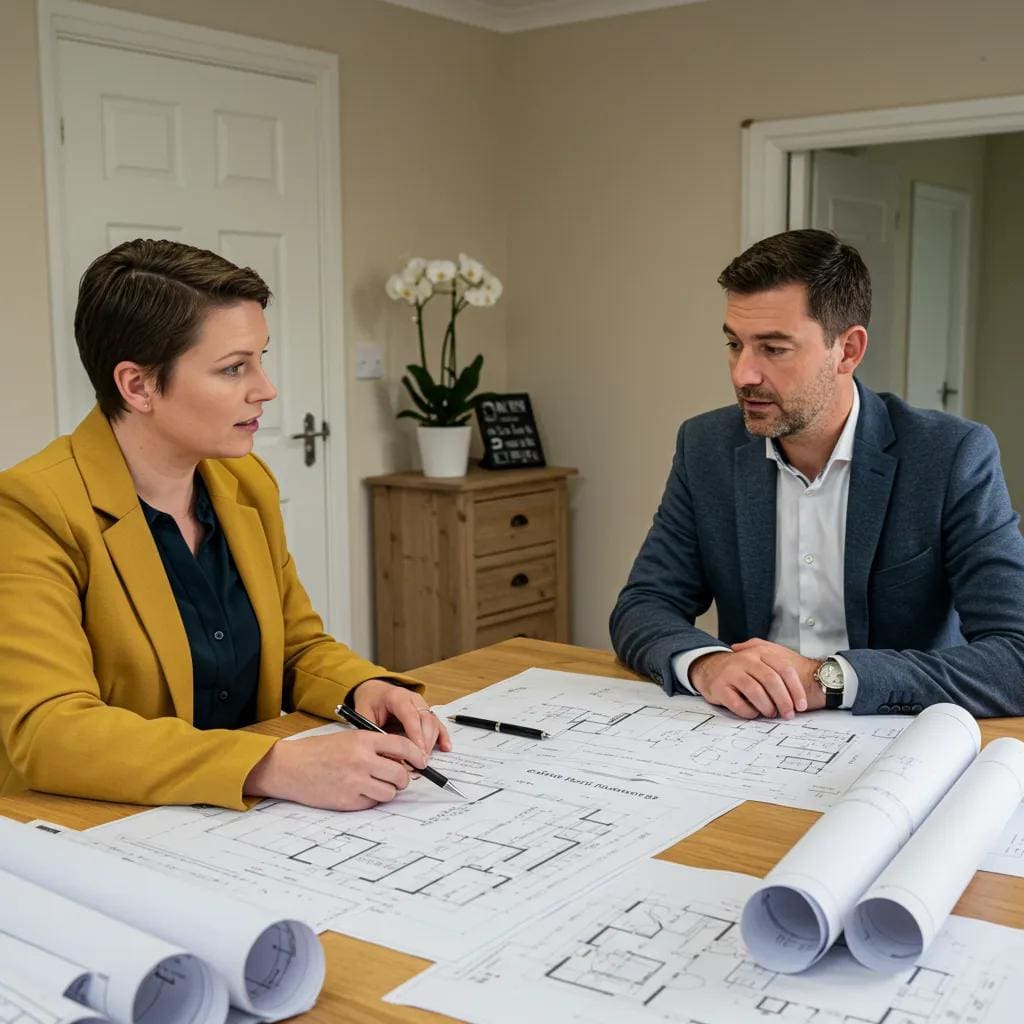
- Prepare clear existing/proposed drawings (plans and elevations).
- Complete the application with the supporting documents requested.
- Include a site location plan and any statements needed for your specific site.
- Allow time for consultation and responses to queries during determination.
If you want a straightforward overview of what the planning submission typically involves, our guide to the planning application process walks through the stages and what to expect.
What Is a Lawful Development Certificate and When Is It Needed?
A Lawful Development Certificate is a formal decision that your proposal is lawful (often used to confirm permitted development compliance). It’s particularly useful when your project is close to limits, the site has constraints, or you want certainty for resale and mortgage purposes.
How Do Party Wall Agreements Affect Garage Conversions?
If works touch a shared structure (or include excavations close to a neighbour), a party wall process may be required. Handling it early avoids delays later, especially if you’re introducing structural openings, reinforcing walls, or altering foundations.
What Are the Building Regulations for Garage Conversions in Wales?
Even where planning permission isn’t needed, Building Regulations still apply. That’s the part that ensures the space is safe, warm, ventilated, and properly constructed — which is why conversions can’t just be “decorated garages”. If your project is part of a wider improvement plan (extension + conversion or phased works), it’s worth understanding the typical approval route and common pitfalls before work starts.
Which Key Building Regulations Apply to Garage Conversions?
- Structure: foundations, load paths, lintels, and any new openings.
- Fire safety: separation, doors, alarms, and escape routes.
- Thermal performance: upgraded insulation to walls/floor/roof.
- Ventilation: background and extract ventilation to manage moisture.
- Drainage: correct falls, connections, and protection where needed.
- Electrical safety: compliant design and certification.
How to Comply with Fire Safety Regulations in Garage Conversions?
Fire-rated separation between the converted space and the rest of the home, correctly specified doors, and appropriate alarm coverage are usually central. If you’re adding a new bedroom or creating a new escape route requirement, fire strategy becomes even more important.
What Are the Insulation and Ventilation Requirements for Converted Garages?
Garages typically start as cold, leaky spaces. To make them habitable, the build-up usually needs upgraded insulation, moisture control layers, and ventilation that prevents condensation. Getting the junction detailing right (floor-wall, wall-roof) is often what separates a comfortable conversion from one that feels permanently chilly.
How Does Building Control Oversee Garage Conversions?
Building Control inspections tend to happen at key points (structure, insulation, drainage, first fix, and completion). The completion certificate at the end is what buyers and solicitors typically want to see later.
How Much Does a Garage Conversion Cost in Cardiff?
In Cardiff, garage conversion costs vary based on size, condition, and how much structural work is required. A single garage conversion commonly falls into the £7,000–£11,000 range, while double/detached conversions can reach £12,000–£20,000+ depending on specification.
| Garage Size | Average Cost Range | Key Cost Factors |
|---|---|---|
| Single Garage | £7,000 – £11,000 | Structure, insulation, electrics |
| Double Garage | £12,000 – £20,000 | More area, extra glazing/finishes |
What Is the Cost Difference Between Single and Double Garage Conversions?
Double garages increase cost through additional floor area, more insulation, and often more complex heating, lighting, and layout requirements.
How Do Attached, Detached, and Integral Garage Conversions Affect Costs?
- Attached: often simpler structurally due to shared walls, but still needs thermal upgrades.
- Detached: can involve more envelope work and new services runs.
- Integral: may require careful structural integration and fire separation detailing.
How Can Homeowners Budget Effectively for Their Garage Conversion?
Fixed-price scopes, clear inclusions/exclusions, and a contingency pot reduce surprises. If you’re comparing cost-per-m² across different ways to add space, you may also find our extension budgeting content useful — but keep your internal linking light and always send readers back to the main extensions page rather than multiple Cardiff-location pages.
Does a Garage Conversion Add Value to Your Property?
A well-executed, compliant conversion that reads as “proper living space” can increase value — particularly where it adds a bedroom, home office, or useful family room. Documentation (Building Control completion, certificates, warranties) is what turns a conversion into buyer confidence later.
What Are Popular Garage Conversion Design Ideas for Cardiff Homes?
Garage conversions are popular because they can create genuinely useful rooms without the time and disruption of bigger structural work:
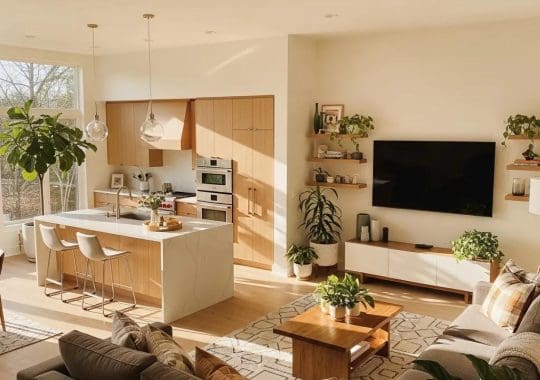
- Home office: good daylight, acoustic treatment, integrated storage.
- Guest bedroom: calm layout, built-in wardrobe, space for a compact en-suite where feasible.
- Home gym: durable floors, ventilation, storage for equipment.
- Playroom: resilient finishes, safe lighting, lots of storage.
- Snug / second lounge: warm lighting, good insulation, and a comfortable connection to the main house.
How to Maximise Natural Light in Garage Conversion Designs?
If street-facing changes are sensitive, high-level glazing and well-placed internal openings can help borrow light without overcomplicating external elevations.
What Are Key Construction and Design Tips for Garage Conversions?
Good conversions feel like they were always part of the house. That’s usually down to:
- consistent floor levels (or a well-resolved threshold where levels differ),
- proper thermal upgrades,
- ventilation that prevents damp,
- and joinery/finishes that match the main home.
How to Choose the Right Garage Conversion Specialist?
Pick a team that can show:
- clear scope and drawings/specs,
- Building Control know-how and a clean inspection track record,
- transparent pricing, programme, and change control,
- case studies that show the finished quality.
Conclusion
A garage conversion is often one of the most efficient ways to gain usable space — but the best results come from treating it like a proper build: clear permissions, Building Regs compliance, solid detailing, and a layout that makes sense day-to-day. If you’re weighing up whether a conversion or extension is the right route, start with our home extensions overview and work out which option delivers the space you need with the least compromise.